ფსიქოსოციალური რისკების შეფასების საერთაშორისო მიდგომები ჯანდაცვაში

ჩამოტვირთვები




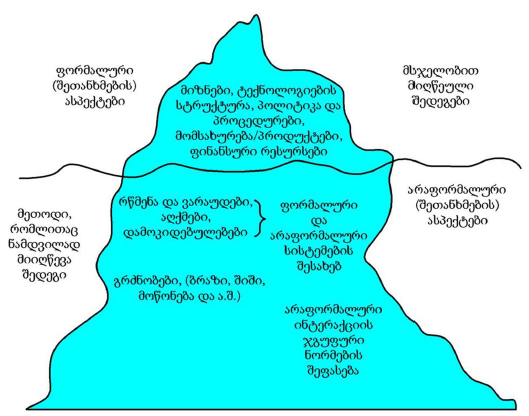
სტატიაში განხილულია სამედიცინო სექტორში ფსიქოსოციალური რისკების შეფასებისა და მართვის საერთაშორისო პრაქტიკა. გაანალიზებულია ფსიქოსოციალური რისკების თეორიული საფუძვლები, მათ შორის Job Demand-Control Model და Effort-Reward Imbalance Model. ყურადღება გამახვილებულია ჯანდაცვის სფეროში გავრცელებულ ფსიქოსოციალურ საფრთხეებზე, როგორიცაა სამუშაო სტრესი, პროფესიული გადაღლა (burnout), მაღალი სამუშაო დატვირთვა და ემოციური შრომა. ნაშრომში განხილულია ფსიქოსოციალური რისკების შეფასების თანამედროვე ინსტრუმენტები, მათ შორის COPSOQ და ISTAS21, აგრეთვე ორგანიზაციული და ინდივიდუალური ინტერვენციების მნიშვნელობა. შესწავლილია ესპანეთის, საფრანგეთისა და ესტონეთის გამოცდილება და განხორციელებულია მათი შედარებითი ანალიზი. კვლევა აჩვენებს, რომ ფსიქოსოციალური რისკების ეფექტური მართვა ეფუძნება პრევენციულ, სისტემურ და თანამშრომელზე ორიენტირებულ მიდგომებს, რაც ხელს უწყობს სამედიცინო პერსონალის ჯანმრთელობის დაცვასა და სამედიცინო მომსახურების ხარისხის გაუმჯობესებას.
Downloads
European Agency for Safety and Health at Work. (n.d.). Psychosocial risks and mental health at work. https://osha.europa.eu
Karasek, R. A. (1979). Job demands, job decision latitude, and mental strain. Administrative Science Quarterly, 24(2), 285–308.
Siegrist, J. (1996). Adverse health effects of high-effort/low-reward conditions. Journal of Occupational Health Psychology, 1(1), 27–41.
Maslach, C., & Jackson, S. E. (1981). The measurement of experienced burnout. Journal of Occupational Behaviour, 2(2), 99–113.
International Labour Organization. (n.d.). Psychosocial risks and stress at work. https://www.ilo.org
World Health Organization. (n.d.). Occupational hazards in the health sector: Psychosocial risks and mental health. https://www.who.int
European Agency for Safety and Health at Work. (n.d.). Mental health at work: Practical resources. https://osha.europa.eu
Copenhagen Psychosocial Questionnaire (COPSOQ) International Network. (n.d.). Copenhagen Psychosocial Questionnaire (COPSOQ). https://www.copsoq-network.org
European Psychiatry Journal. (n.d.). Studies on COPSOQ use in the healthcare sector.
World Health Organization. (n.d.). Mental health at work. https://www.who.int
International Labour Organization. (n.d.). Psychosocial risks and stress at work. https://www.ilo.org
European Agency for Safety and Health at Work. (n.d.). Psychosocial risks and mental health. https://osha.europa.eu
National Institute for Safety and Health at Work (INSST). (n.d.). Psychosocial risks in the workplace. https://www.insst.es
ISTAS21. (n.d.). Spanish adaptation of the COPSOQ questionnaire. https://istas.net
European Foundation for the Improvement of Living and Working Conditions (Eurofound). (n.d.). Working conditions and psychosocial risks. https://www.eurofound.europa.eu
SEPRI. (n.d.). Psychosocial risk management practices and organizational interventions.
International Journal of Environmental Research and Public Health. (n.d.). Studies on burnout and occupational stress in healthcare. https://www.mdpi.com/journal/ijerph
Ministère du Travail. (n.d.). Regulations on psychosocial risks. https://travail-emploi.gouv.fr
Lanchava, O., Bulia, N., & Darakhvelidze, M. (2025). Ensuring occupational safety in the medical sector: Key problems, systemic challenges, and strategic recommendations. Georgian Scientists, 7(2), 614–625. https://doi.org/10.52340/gs.2025.07.02.56
საავტორო უფლებები (c) 2026 ქართველი მეცნიერები

ეს ნამუშევარი ლიცენზირებულია Creative Commons Attribution-NonCommercial-NoDerivatives 4.0 საერთაშორისო ლიცენზიით .