
Comparative Quality Analysis of Honey Based on the Expertise of Local and Imported Samples

Downloads




Honey is a natural, fully prepared and concentrated sweetener with a centuries-old history of use. It is not only a food, but also a product with cultural and medicinal value, which is distinguished by high biological activity, low glycemic index and immune system supporting properties.
In Georgia, honey is historically associated with traditions, religious rituals and local natural conditions. Types of honey also vary by region – lime, forest, acacia, oak, chestnut and others.
Honey is an economically important product, which increases the risk of counterfeiting. Products without labeling or not complying with regulations are often distributed. Therefore, confirmation of quality, safety and identification is necessary both in terms of consumer protection and fair competition in the market. This issue has become especially relevant when the possibility of exporting Georgian honey to the EU market actually appeared.
The aim of the study was to evaluate the chemical and organoleptic characteristics of honey using modern standard methods, to determine their compliance with the Codex Alimentarius and local regulations. The analysis was conducted on six samples, including both Georgian and imported honey. The assessment included organoleptic, physicochemical (pH, acidity, diastase number, sugars, ash, etc.) and safety (heavy metals) parameters.
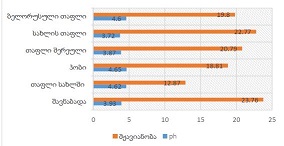
Based on the analysis, it was determined that most of the honey samples comply with both national and international standards. According to the physicochemical characteristics (glucose, fructose, pH, acidity, ash), honey is distinguished by signs of natural origin and biochemical maturity, and the organoleptic evaluation also confirms its identification. It is noteworthy that in one of the samples (family honey), a higher than permissible level of sucrose was observed, which may indicate collection in an immature state or falsification. Also, two samples were exceptions, in which diastase activity and ash content exceeded the norm, which was probably due to a violation of the technological process or improper storage. Labeling analysis revealed a violation of the requirements in the honey purchased from Agrohab LLC and the church shop - the mandatory information was not indicated on the label. From the point of view of safety, the samples comply with the established requirements.
Downloads
ღოღობერიძე თ., მაძღარაშვილი გ.,ფეიქრიშვილი მ., ნაფეტვარიძე ც., ბალიაშვილი ლ., კორძახია ა., კვეზერელი შ. ©UNDP Georgia 2017 “მეფუტკრეობა“;
Sultan Ayoub Meoa, Saleh Ahmad Al-Asirib, Abdul Latief Mahesarc, Mohammad Javed Ansarid ,,Role of honey in modern medicine” Volume 24, Issue 5, July 2017;
გარემოს დაცვისა და სოფლის მეურნეობის სამინისტრო. თაფლი – მსოფლიო ბაზრის ანალიზი. ეკონომიკური კვლევის და მონაცემთა ანალიზის სამმართველო 2024 წ.;
ვანიძე მ., კალანდია ა., ჯაფარიძე ი., ,,ღვინისა და თაფლის ანალიზის საერთაშორისო მეთოდები’’. გამომცემლობა ბათუმის შოთა რუსთაველის სახელმწიფო უნივერსიტეტი, ბათუმი _ 2019 წ.;
GOST 19792-87 ნატურალური თაფლი (ტექნიკური პირობები);
საერთაშორისო სტანდარტი GOST 34232—2017. თაფლი, საქაროზას აქტივობის, დიასტაზის რაოდენობის, უხსნადი ნივთიერებების განსაზღვრის მეთოდები
Copyright (c) 2025 Georgian Scientists

This work is licensed under a Creative Commons Attribution-NonCommercial-NoDerivatives 4.0 International License.