გრუნტში შემღწევი რადარის (GPR) გამოყენება საგზაო სამოსის არადესტრუქციულ კვლევაში

ჩამოტვირთვები




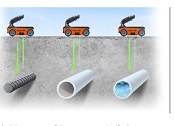
გრუნტში შემღწევი რადარი (GPR – Ground Penetrating Radar) წარმოადგენს საგზაო სამოსის არადესტრუქციული კვლევის თანამედროვე და ეფექტურ მეთოდს, რომელიც ეფუძნება მაღალი სიხშირის ელექტრომაგნიტური ტალღების გამოყენებას. აღნიშნული ტექნოლოგია საშუალებას იძლევა მიღებულ იქნას დეტალური ინფორმაცია გზის საფარის სტრუქტურის შესახებ, მათ შორის ფენების სისქის, მასალის თვისებების, ტენიანობის დონისა და სხვადასხვა ტიპის შიდა დეფექტების არსებობის შესახებ, დესტრუქციული ჩარევის გარეშე.
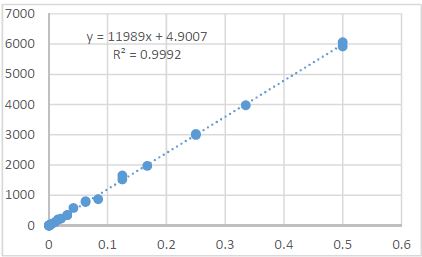
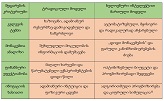
წარმოდგენილ ნაშრომში განხილულია GPR ტექნოლოგიის გამოყენება საგზაო სამოსის კვლევაში, კანადის 401-ე მაგისტრალის კონკრეტული მონაკვეთის მაგალითზე. კვლევის ფარგლებში განხორციელდა გზის საფარის მდგომარეობის შეფასება როგორც ტრადიციული მეთოდებით (ვიზუალური ინსპექტირება, კერნების ბურღვა და ლაბორატორიული ანალიზი), ასევე გეორადარის გამოყენებით მიღებული მონაცემების საფუძველზე. განსაკუთრებული ყურადღება დაეთმო GPR მონაცემების კალიბრაციას კერნების მონაცემებთან შედარებით, რაც უზრუნველყოფს მიღებული შედეგების სიზუსტის შეფასებას.
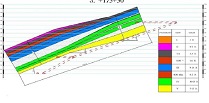
კვლევის შედეგებმა აჩვენა, რომ GPR ეფექტურად განსაზღვრავს ასფალტისა და ცემენტბეტონის ფენების სისქეს მაღალი სიზუსტით, რაც დადასტურდა ბურღვით მიღებულ მონაცემებთან შედარებით მინიმალური გადახრით. ამასთანავე, ტექნოლოგიამ შესაძლებელი გახადა ისეთი ფარული სტრუქტურული ელემენტებისა და დაზიანებების გამოვლენა, როგორიცაა არმატურა, ბეტონის ნაკერები, ნაწილობრივი და სრული სიღრმის სარემონტო ზონები, აგრეთვე ბზარები, რომლებიც ვიზუალური ინსპექტირებისას არ ფიქსირდება.
მიღებული შედეგები მიუთითებს, რომ GPR წარმოადგენს მნიშვნელოვან ინსტრუმენტს საგზაო სამოსის კომპლექსური შეფასებისთვის, განსაკუთრებით კომპოზიტური სტრუქტურების შემთხვევაში, სადაც ტრადიციული მეთოდები შეზღუდულია. მისი გამოყენება მნიშვნელოვნად ზრდის დიაგნოსტიკის სიზუსტეს, ამცირებს კვლევის ხარჯებს და ხელს უწყობს რეაბილიტაციისა და რეკონსტრუქციის პროცესის ოპტიმალურ დაგეგმვას.
Downloads
Daniels, David J. Ground Penetrating Radar. 2nd ed. London: Institution of Engineering and Technology, 2004.
Saarenketo, Timo, and Tom Scullion. “Road Evaluation with Ground Penetrating Radar.” Journal of Applied Geophysics 43, no. 2–4 (2000): 119–138.
ASTM International. ASTM D6432-11: Standard Guide for Using the Surface Ground Penetrating Radar Method for Subsurface Investigation. West Conshohocken, PA: ASTM International, 2011.
Al-Qadi, Imad L., and Samuel Lahouar. “Measuring Layer Thicknesses with GPR – Theory to Practice.” Construction and Building Materials 19, no. 10 (2005): 763–772.
Hugenschmidt, Jürgen. “Road Condition Evaluation Using Ground Penetrating Radar.” Journal of Applied Geophysics 43, no. 2–4 (2000): 105–117.
Scullion, Tom, and Timo Saarenketo. Ground Penetrating Radar Applications in Pavement Engineering. Federal Highway Administration Report, 1998.
Wei, Shun, et al. “Study on Ground-Penetrating Radar Response and Void Detection in Concrete Pavements.” Sensors 25, no. 18 (2025).
Xiong, Xuetang, et al. “Evaluation of Asphalt Pavement Internal Distresses Using Three-Dimensional Ground-Penetrating Radar.” International Journal of Pavement Research and Technology (2024).
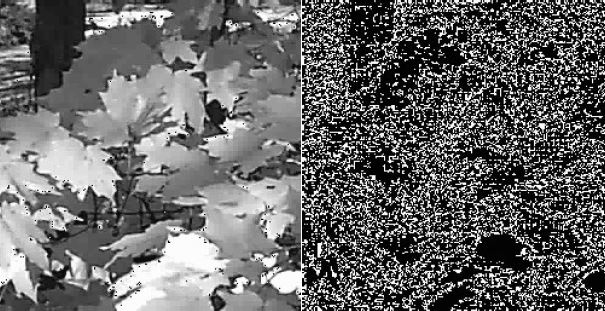
Xie, Shuo, et al. “GPR Feature Enhancement of Asphalt Pavement Hidden Defects Based on Image Processing Methods.” Sensors (2025).
ალექსი ბურდულაძე, თეიმურაზ არევაძე.საგზაო სამოსის მდგომარეობის შეფასება და მდგომარეობის ინდექსის გამოყენება საგზაო ქსელის კვლევის პროცესში. Georgian Scientists. Vol. 8 Issue 1, 2026. https://doi.org/10.52340/gs. 2026. 08.01.19
საავტორო უფლებები (c) 2026 ქართველი მეცნიერები

ეს ნამუშევარი ლიცენზირებულია Creative Commons Attribution-NonCommercial-NoDerivatives 4.0 საერთაშორისო ლიცენზიით .