Identification and Documentation of Endemic Grapevine Varieties in Samegrelo

ჩამოტვირთვები




Georgia is one of the earliest centers of grapevine origin, where the history of grapevine domestication spans several millennia. This is confirmed by the archaeological expedition’s discovery at Shulaveris Gora in Kvemo Kartli - an ancient winemaking vessel, the “dergi,” dated to 7000 BCE (Lortkipanidze 2002; Rusishvili 2010; Chilashvili 2004; McGovern et al. 2017), as well as by archaeobotanical remains discovered in the Dzanisi River valley (Adigeni Municipality), dating back 5 million years (Mirvelashvili, Maghradze 2017). The presence of more than 400 wild grapevine forms in nature, classified as Vitis vinifera L. silvestris (Tsertsvadze 1999), and the abundance of indigenous cultivated grapevine varieties - 525 documented forms of Vitis vinifera L. sativa (Ketskhoveli, Ramishvili, Tabidze 1961)- further support this view. These varieties exhibit characteristics highly adapted to the specific environmental conditions in which they originated.
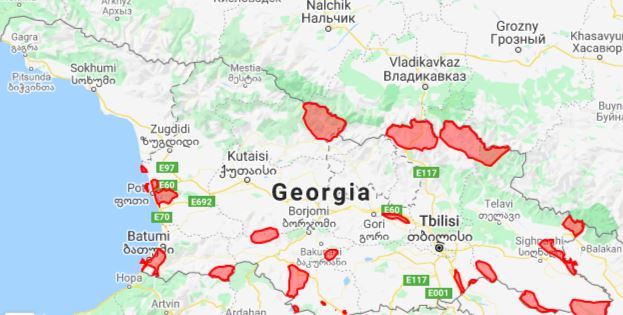
Among the viticultural regions of Georgia, Samegrelo remains the least studied in terms of identifying and investigating endemic grapevine varieties, despite significant interest from viticulturists.
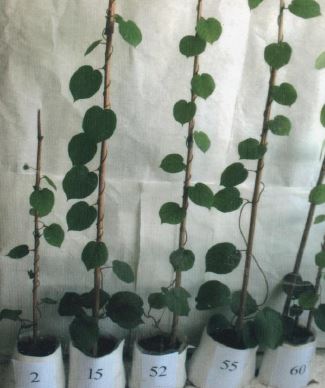
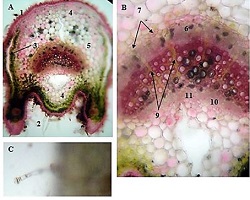
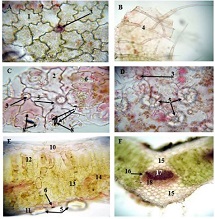
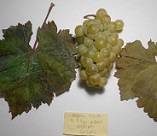
The present study was carried out within the framework of the internal research project of Caucasus International University, “Development of a Model for the Distribution of Grapevine and Its Associated Crops in Georgia’s Mountainous Regions According to Vertical Zonation.” The project encompasses ampelographic documentation of endemic grapevine varieties identified in the Samegrelo region - Kharistvala Megruli, Machqvaturi, Chergvali, Makhvateli, Chechiphesh, and Paneshi - including descriptive materials on mature leaves, clusters, and berries.
Downloads
Ketskhoveli, N., Ramishvili, M., Tabidze, D. Ampelography of Georgia. 1960. Publishing House of the Academy of Sciences of Georgia, Tbilisi.
OIV, 2009. Descriptors for Grapevine Cultivars and Vitis Species. Office International de la Vigne et du Vin (O.I.V.), Paris, France, pp. 3–178.
Ramishvili, M. 1948. Grapevine Varieties of Guria, Samegrelo, and Adjara. Publishing House “Technika da Shroma,” Tbilisi.
Sabashvili, M. 1965. Soils of Georgia. Monograph. Publishing House “Metsniereba,” Tbilisi.
Lordkipanidze, O. 2002. At the Origins of Ancient Georgian Civilization. University Press, Tbilisi.
Rusishvili, N. 2010. Grapevine Culture in Georgia Based on Paleobotanical Data. Publishing House “Mteni,” Tbilisi.
Chilashvili, L. 2004. Grapevine, Wine, and Georgians. GWS Publishing.
McGovern, P., Jalabadze, M., Batiuk, S., Callahan, M. P., Smith, K. E., Hall, G. R., Kvavadze, E., Maghradze, D., Rusishvili, N., Bouby, L., Failla, O., Cola, G., Mariani, L., Boaretto, E., Bacilieri, R., This, P., Wales, N., Lordkipanidze, D. (2017). Early Neolithic wine of Georgia in the South Caucasus. PNAS, 114(48), E10309–E10318.
Tsertsvadze, N. 1999. Toward a Refined Classification of Indigenous Georgian Grapevine Varieties. Journal “Vazi da Ghvino”—Scientific Journal of the Georgian Viticulturists’ and Winemakers’ Union.
Ramishvili, R. 2001. History of Georgian Grapevine and Wine, Tbilisi.
Javakhishvili, Iv. 1934. Economic History of Georgia. Publishing House “Metsniereba.”
Mirvelashvili, M., Maghradze, D. 2017. Grapevine Culture in Georgia. Publishing House “Kalmosani,” Tbilisi.
Sabashvili, M. 1936. Soils of the Humid Subtropical Zone of the Georgian Republic.
Kelenjeridze, K. 1934. Agro-Climatic Characteristics of the Subtropical Zone of Western Georgia (Manuscript).
საავტორო უფლებები (c) 2025 ქართველი მეცნიერები

ეს ნამუშევარი ლიცენზირებულია Creative Commons Attribution-NonCommercial-NoDerivatives 4.0 საერთაშორისო ლიცენზიით .