Waste Management Challenges and Opportunities in Tourist Destinations of Imereti

Downloads




Tourism plays a significant role in the global economy by creating new opportunities for income generation and employment. However, its environmental impact—particularly in terms of waste generation—has become an increasing concern on the international agenda. According to research, tourism accounts for approximately 6.7% of the total waste generated in Europe, posing serious environmental, social, and economic challenges.
The Imereti region, located in western Georgia, is one of the country’s most vibrant and active tourist areas, known for its unique natural and cultural resources. However, alongside the growth of tourism, serious waste management problems have emerged in the region.
This study explores the key challenges related to waste management in Imereti’s tourist destinations, analyzes current practices, and offers recommendations for sustainable tourism development. The research involved surveys and direct observation at tourism-related facilities, including hotels, family-owned wineries, cultural heritage sites, and protected areas.
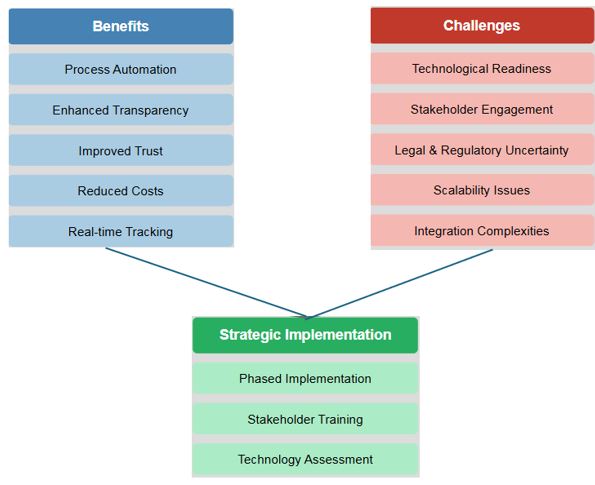
Sustainable waste management requires a multi-level strategy that incorporates government policy, active participation of the private sector, and initiatives to raise public awareness. The study emphasizes the importance of waste separation, recycling, composting, and responsible tourist behavior as essential conditions for reducing environmental impact. Effective waste management can be achieved through strategic investments, community engagement, and the implementation of sustainable tourism policies.
Downloads
გაეროს გარემოსდაცვითი პროგრამა (UNEP), წყლის რესურსების და ნარჩენების მართვის სახელმძღვანელო: რა შეუძლია გააკეთოს ტურიზმმა ეფექტიანობის ასამაღლებლად, 2003: 3-46
ტურისტულ და სარეკრეაციო ზონებში ნარჩენების მართვისა და რეციკლირების ევროპული გამოცდილება (2020) https://www.blacksea-cbc.net/images/e-library/BSB1138_APRA_-_European_Experience_in_Waste_Management_and_Recycling_in_Touristic_and_Recreational_Areas_GE.pdf
Alpizar, F., et al. (2017). Challenges in waste management for tourist destinations.
Becken, S., & Hay, J. E. (2012). Climate change and tourism: From policy to practice
Dodds, R., & Butler, R. (2019). Overtourism: Issues, realities and solutions
Gössling, S., & Hall, C. M. (2019). Sustainable tourism: A global perspective.
Travel and Tour World (2024). New 2024 Travel and Tourism Report Issued by World Economic Forum May 22, 2024 https://www.travelandtourworld.ge/news/article/new-2024-travel-and-tourism-report-issued-by-world-economic-forum/?utm_source=chatgpt.com
UNWTO (2018). Tourism and the Sustainable Development Goals.
UNEP (2019). Guidelines for sustainable waste management in tourist destinations.
Waste Management Coalition (2021). Community-based approaches to waste management.
Copyright (c) 2025 Georgian Scientists

This work is licensed under a Creative Commons Attribution-NonCommercial-NoDerivatives 4.0 International License.