მაღალი გამტარობის მოუწესრიგებელი რეგიონების გავლენა, მაღალი ენერგიის პროტონებით დასხივებულ n-Si კრისტალებში რადიაციული დეფექტების გამოწვის კინეტიკაზე

ჩამოტვირთვები




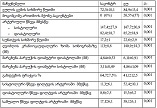
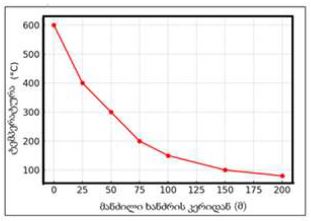
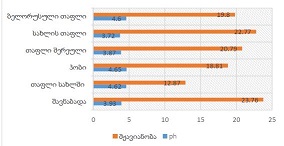
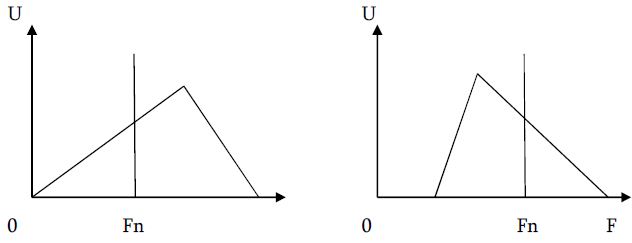
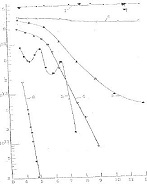
შესწავლილი იქნა n-ტიპის სილიციუმის (n-Si) მონოკრისტალები, რომლებიც მიღებული იქნა ზონური დნობით, ელექტრონების კონცენტრაციით n ≈ 6 x 10¹³ სმ–3. ნიმუშები დასხივებული იქნა 25 MeV პროტონებით 300 K ტემპერატურაზე. დასხივებული კრისტალების იზოქრონული გახურება (IO) ჩატარდა ტემპერატურის დიაპაზონში Tann = 110–500°C. ნიმუშები შესწავლილი იქნა ჰოლის ეფექტის მეთოდით ტემპერატურის დიაპაზონში 77–300 K. მაღალი ენერგიის პროტონებით დასხივებულ n-Si ნიმუშებში, ელექტრონების კონცენტრაციის n-ში დაფიქსირებული არამონოტონური ცვლილება გაზომვის ტემპერატურა T-დან გამომდინარე, აიხსნება წერტილოვანი რადიაციული დეფექტების (RD) იონიზაციის ენერგიის ცვლილებით სხვადასხვა RD-ებს შორის ელექტროსტატიკური ურთიერთქმედების ენერგიის εs გავლენის ქვეშ. ჰოლის ძვრადობის μH ოსცილატორული დამოკიდებულება გამოწვის ტემპერატურაზე და μH(T) მრუდების არამონოტონურობა განისაზღვრება დასხივებულ n-Si კრისტალებში მაღალგამტარობის არარეგულარული რეგიონების (DR) არსებობით, მაღალგამტარობის DR-ებსა და კრისტალურ მატრიცას შორის საზღვარზე ელექტრული ველის წარმოქმნით და მაღალგამტარობის DR-ების ელექტრული პოტენციალის U არამონოტონური ცვლილებით, ამ უკანასკნელის დამუხტვის მდგომარეობიდან გამომდინარე. მაღალგამტარობის DR-ები სრულად გამოწვის ტემპერატურულ დიაპაზონში Tann = 380–500°C. ეს ნაშრომი აღწერს იზოქრონული გამოწვის დროს მაღალი ენერგიის პროტონებით დასხივებულ n-ტიპის სილიციუმის კრისტალებში უმრავლესობის მუხტის მატარებლების კონცენტრაციისა და მობილურობის ცვლილების ძირითად მახასიათებლებს.
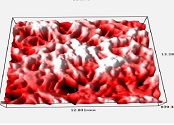
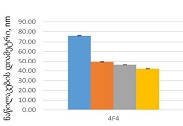
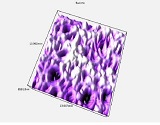
როგორც ვხედავთ, n-Si კრისტალების დასხივებით 25 მგევ ენერგიის პროტონებით შესაძლებელია ნანოგანზომილებიანი ატომური კლასტერების ფორმირება, რომლებიც გამოიწვებიან 4000C-ზე. მათი რადიუსის ვარირება შეიძლება დასხივების ენერგიითა და გამოწვის ტემპერატურით, ხოლო კონცენტრაციისა – დასხივების გზით. გაზომვისა და გამოწვის ტემპერატურით შესაძლებელია ვცვალოთ მათი გამტარებლობა და ელექტრონების გაბნევის უნარი. ეს საშუალებას იძლევა შევქმნათ სრულიად განსხვავებული თვისებების მქონე Si კრისტალი, რომლის ბაზაზე შესაძლებელია შევქმნათ ახალი ტიპის ოპტო-, მიკრო- და ნანოელექტრონული ხელსაწყოები.
Downloads
G. K. Werthein. Phys. Rev., 111, 1500 (1958).
J. H. Crawford, J. W. Clelend. J. Appl. Phys., 30, 1204 (1959).
B. R. Gossik. J. Appl. Phys., 30, 1214 (1959).
H. A. Ухин. ФТП, 6, 931 (1972).
В. И. Кузнецов, П. Ф. Луганов. ФТП, 13, 625 (1979).
В. И. Кузнецов, П. Ф. Луганов. ФТП, 14, 1924 (1980).
Л. С. Милевский, Т. М. Ткачева, Т. А. Пагава. ЖЭТФ, 9, 2132 (1975).
С. В. Безлюдный, Н. В. Колесников. ФТП, 10, 1964 (1976).
Т. А. Пагава, Л. С. Чхартишвили. УФЖ, 49, 1007 (2004).
Т. А. Пагава, Н. И. Майсурадзе, М. Г. Беридзе. ФТП, 5, 582 (2011).
Т. А. Пагава, Н. И. Майсурадзе, М. Г. Беридзе. ФТП, 46, 1274 (2012).
В. В. Емцев, Т. В. Машовец. Примеси и точечные дефекты в полупроводниках, Москва, Радио и связь (1981).
В. С. Вавилов, В. Ф. Киселев, Б. Н. Мукашев. Дефекты в кремнии и на его поверхности, Москва, Наука (1990).
М. Г. Мильвидский, В. В. Чалдышев. ФТП, 32, 513 (1998).
Т. А. Пагава, Л. С. Чхартишвили. УФЖ, 48, 232 (2003).
Р. Ф. Коноплев, В. Л. Литвинов, Н. А. Ухин. Особенности повреждения полупроводников частицами высокой энергией, Москва, Атомиздат (1971).
საავტორო უფლებები (c) 2026 ქართველი მეცნიერები

ეს ნამუშევარი ლიცენზირებულია Creative Commons Attribution-NonCommercial-NoDerivatives 4.0 საერთაშორისო ლიცენზიით .