DIAGNOSIS OF NEUROTUBERCULOSIS AS A CHALLENGE IN MODERN MEDICINE

Downloads




Among different forms of Tuberculosis (TB), Neurotuberculosis is considered to be the most dangerous one, needing vast clinical experience for correct diagnosis and treatment. Diagnostics of Neurotuberculosis requires serious clinical experience and involvement. neurologists, infectious disease specialists, neurosurgeons, pulmonologists, and hospitalists to be able to integrate clinical information, radiological findings and laboratory data. The affected sites of the infection can be represented by meningeal, cerebral parenchymal, or spinal cord areas. Sometimes the diagnosis is made without microbiological confirmation.
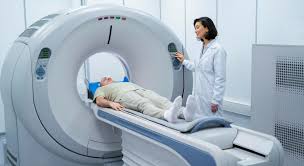
Case report: The case of encephalomyelitis (ADEM) is presented, confirmed by MR investigation (1.5 Tesla). The precise laboratory data excluded viral (herpes simplex 1/2 viruses, cytomegalovirus, Epstein-Barr, varicella zoster, herpes 6) and bacterial (Borrelia burgdorferi, Chlamydia pneumonia) infections. Cerebrospinal fluid (CSF) test showed no substantial abnormalities but the decreased glucose level- 28 mg/dl; CSF culture for Mycobacterium tuberculosis was negative. Initial treatment with Methylprednisolone-1000mg/iv for 5 days followed by plasmapheresis 2 procedures, no results, while the patient’s clinical status deteriorated to the extent of full tetraplegia with pseudo bulbar component (harsh voice, swallowing difficulties). The special tests (GeneXpert in sputum sample, QuantiFERON-TB Gold) do not support the existence of mycobacteria, and only detailed analysis of anamnesis, CSF data, and clinical judgment prompted to suspicion of the presence of Neurotuberculosis. The treatment started with a combination of intravenous infusion of antibiotics (amikacin, moxifloxacin, meropenem) until the clinical course of the disease had been significantly improved, and continued by consecutive treatment with rifampicin and isoniazid, with excellent results.
Conclusion: Central nervous system TB is still a serious challenge when prompt diagnosis and clinical management is required. ADEM is a rare complication of TB infection, and if recognized timely, can mostly be treated successfully.
Downloads
Copyright (c) 2025 Georgian Scientists

This work is licensed under a Creative Commons Attribution-NonCommercial-NoDerivatives 4.0 International License.