
Boraginaceae-ს ოჯახის სხვადასხვა სამკურნალო მცენარის ბიოლოგიურად აქტიური პოლიეთილენგლიკოლის საფუძველზე მრავალკატექოლშემცველი ბიოპოლიმერი პოლი[3-(3,4-დიჰიდროქსიფენილ)გლიცერინის მჟავა]

ჩამოტვირთვები




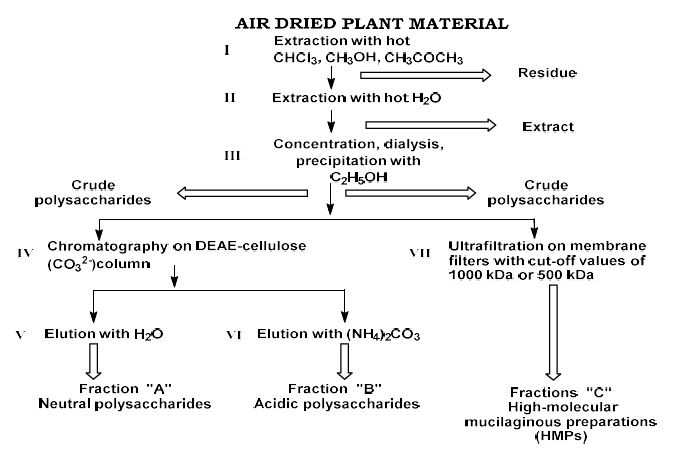
მიღებულია Boraginaceae-ს ოჯახის სხვადასხვა სამკურნალო მცენარედან Symphytum asperum-ის, S. caucasicum-ის, S. officinale-ის, S. grandiflorum-ის, Anchusa italica-ს, Cynoglossum officinale-ს, Borago officinalis-ის და Paracynoglossum imeretinum-ის წყალში ხსნადი მაღალ მოლეკულური (>1000 kDa ან >500 kDa) პრეპარატები (მმპ). ამ მმპ-ების ძირითადი ქიმიური შემადგენელი ნაწილია ბუნებრივი პოლიეთერების აქამდე უცნობი კლასის პირველი და ერთადერთი წარმომადგენელი - ახალი პოლი[ოქსი-1-კარბოქსი-2-(3,4-დიჰიდროქსიფენილ)ეთილენი], რომელიც ასევე ცნობილია როგორც პოლი[3-(3,4-დიჰიდროქსიფენილ)გლიცერინის მჟავა] (პ-დგმ). პ-დგმ-ს სტრუქტურის გარკვევა განხორციელდა ბირთვული მაგნიტური რეზონანსის (ბმრ) სხვადასხვა ტექნიკის მონაცემების გამოყენებით, მათ შორის თხევად ფაზაში 1H, 13C ბმრ, ორგანზომილებიანი (2D) ჰომონუკლეარული gCOSY, ორგანზომილებიანი (2D) ჰეტერონუკლეარული 1H/13C gHSQCED, ორგანზომილებიანი (2D) DOSY (დიფუზიური ორგანიზებული სპექტროსკოპია) და მყარ ფაზაში 13C ბმრ სპექტრები. პოლიოქსიეთილენის (პოლიეთილენგლიკოლის) (პეგ) ჯაჭვი წარმოადგენს ამ ბიოპოლიმერის ხერხემალს, ხოლო 3-(3,4-დიჰიდროქსიფენილ)გლიცერინის მჟავას ნაშთი ფუნქციონირებს როგორც განმეორებადი ერთეული. 3,4-დიჰიდროქსიფენილის (კატექოლი) და კარბოქსილის ჯგუფები არიან რეგულარული ჩამნაცვლებლები პეგ-ის ჯაჭვში. ამრიგად, პ-დგმ წარმოადგენს ბუნებრივი პოლიეთერების უნიკალურ კლასს. პ-დგმ-ის თითოეული განმეორებადი სამფუნქციური სტრუქტურული ერთეული შეიცავს ორ ფენოლის ჰიდროქსილის ჯგუფს ორთო პოზიციაში და ერთ კარბოქსილის ჯგუფს. პ-დგმ-ს მრავალფუნქციურობა, სავარაუდოდ, ხსნის მის ბიოლოგიური აქტიურობის ფართო სპექტრს, მათ შორის ანტიკომპლემენტურ, ანტიოქსიდანტურ, ანთების საწინააღმდეგო, დამწვრობისა და ჭრილობების შეხორცების, ანტიმიკრობულ და კიბოს საწინააღმდეგო თვისებებს.
Downloads
Folashade, K.O.; Omoregie, E.H.; Ochogu, A.P. Standardization of herbal medicines. Intern. J. Biodiversity Conserv. 2012, 4 (3), 101–112. https://doi.org/10.5897/IJBC11.163
Wang, H.; Chen, Y.; Wang, L.; Liu, Q. et al. Advancing herbal medicine: enhancing product quality and safety through robust quality control practices. Front. Pharmacol. 2023, 14, 1265178. https://doi.org/10.3389/fphar.2023.1265178
Chaachouay, N.; Zidane, L. Plant-Derived Natural Products: A Source for Drug Discovery and Development. Drugs Drug Candidates 2024, 3, 184–207.
https://doi.org/10.3390/ddc3010011
Umadevi, M.; Kumar, K.P.S.; Bhowmik, D.; Duraivel, S. Traditionally Used Anticancer Herbs in India. J. Med. Plants Studies 2013, 1 (3), 56–74.
https://www.plantsjournal.com/archives/2013/vol1issue3/PartA/6-378.pdf
Vaou, N.; Stavropoulou, E.; Voidarou, C.; Tsakris, Z. et al. Interactions between Medical Plant-Derived Bioactive Compounds: Focus on Antimicrobial Combination Effects. Antibiotics 2022, 11 (8), 1014 (1–23). https://doi.org/10.3390/antibiotics11081014
Muscolo, A.; Mariateresa, O.; Giulio, T.; Mariateresa, R. Oxidative Stress: The Role of Antioxidant Phytochemicals in the Prevention and Treatment of Diseases. Int. J. Mol. Sci. 2024, 25 (6), 3264 (1–22). https://doi.org/10.3390/ijms25063264
Qureshi, D.; Nayak, S.K.; Anis, A.; Ray, S.S. et al. Chapter 1 – Introduction of biopolymers: Food and biomedical applications. In Biopolymer-Based Formulations. Biomedical and Food Applications; Pal, K.; Banerjee, I.; Sarkar, P.; Kim, D.; Deng, W.-P.; Dubey, N.K.; Majumder, K., Eds.; Elsevier Inc.: Amsterdam, Netherlands, 2020; pp. 1–45. https://doi.org/10.1016/B978-0-12-816897-4.00001-1
Al-Ghraibah, A.M.; Al-Qudah, M.; AL-Oqla, F.M. Chapter 10 - Medical Implementations of Biopolymers. In Advanced Processing, Properties, and Applications of Starch and Other Bio-Based Polymers; Al-Oqla, F.M.; Sapuan, S.M., Eds.; Elsevier Inc.: Amsterdam, Netherlands, 2020; pp. 157–171. https://doi.org/10.1016/B978-0-12-819661-8.00010-X
Nitta, S.K.; Numata, K. Biopolymer-Based Nanoparticles for Drug/Gene Delivery and Tissue Engineering. Int. J. Mol. Sci. 2013, 14 (1), 1629–1654. https://doi.org/10.3390/ijms14011629
Nishimoto-Sauceda, D.; Romero-Robles, L.E.; Antunes-Ricardo, M. Biopolymer nanoparticles: a strategy to enhance stability, bioavailability, and biological effects of phenolic compounds as functional ingredients. J. Sci. Food Agric. 2022, 102 (1), 41–52.
https://doi.org/10.1002/jsfa.11512
Nemli, E.; Ozkan, G.; Subasi, B.G.; Cavdar, H. et al. Interactions between proteins and phenolics: effects of food processing on the content and digestibility of phenolic compounds. J. Sci. Food Agric. 2024, 104, 2535–2550. https://doi.org/10.1002/jsfa.13275
Foujdar, R.; Bera, M.B.; Chopra, H.K. Chapter 30 - Phenolic nanoconjugates and their application in food. In Biopolymer-Based Formulations. Biomedical and Food Applications; Pal, K.; Banerjee, I.; Sarkar, P.; Kim, D.; Deng, W.-P.; Dubey, N.K.; Majumder, K., Eds.; Elsevier Inc.: Amsterdam, Netherlands, 2020; pp. 751–780.
https://doi.org/10.1016/B978-0-12-816897-4.00030-8
Patil, N.; Jérôme, C.; Detrembleur, C. Recent Advances in the Synthesis of Catechol-Derived (Bio)Polymers for Applications in Energy Storage and Environment. Prog. Polym. Sci. 2018, 8, 34–91. https://doi.org/10.1016/j.progpolymsci.2018.04.002
Mashhadi, S.M.A.; Yufit, D.; Liu, H.; Hodgkinson, P. et al. Synthesis and structural characterization of cocrystals of isoniazid and cinnamic acid derivatives. J. Mol. Struct. 2020, 1219 (24), 128621 (1–20). https://doi.org/10.1016/j.molstruc.2020.128621
Dresler, S.; Szymczak, G.; Wojcik, M. Comparison of some secondary metabolite content in the seventeen species of the Boraginaceae family. Pharm. Biol. 2017, 55 (1), 691–695. http://dx.doi.org/10.1080/13880209.2016.1265986
Taravati, G.; Masoudian, N.; Gholamian, A. Evaluation of Medical Metabolites in Boraginaceae Family. J. Chem. Health Risks 2014, 4 (1), 53–61.
https://www.jchr.org/index.php/JCHR/article/view/391/393
Gupta, P.S.P.; Vishwakarma, K.; Soni, P.; Jadhao, A.B. et al. Medicinally Important Plants of Boraginaceae Family. Afr. J. Bio. Sc. 2024, 6 (Si4), 6013–6021.
https://doi.org/10.48047/Afjbs.6.Si4.2024.6013-6021
Dominguez de Maria, P.; van Gemert, R.W.; Straathof, A.J.J.; Hanefeld, U. Biosynthesis of ethers: Unusual or common natural events? Nat. Prod. Rep. 2010, 27, 370–392. https://doi.org/10.1039/b809416k
Hatfield, W.; Vermerris, W. Lignin formation in plants. The dilemma of linkage specificity. Plant Physiol. 2001, 126 (4), 1351–1357. https://doi.org/10.1104/pp.126.4.1351
Barbakadze, V.; Kemertelidze, E.; Usov, A.I.; Kroes, B.H. et al. Evaluation of immunomodulatory activity of some plant polysaccharides. Proc. Georgian Acad. Sci., Biol. Ser. 1999, 25 (4–6), 207–216.
Tsuda, Y. Isolation of Natural Products; Japan Analytical Industry Co., Ltd.: Tokyo, Japan, 2004; p. 40. http://natpro.com.vn/public/assets/Download/Isolation_of_Natural_Products.pdf
Barthomeuf, C.M.; Debiton, E.; Barbakadze, V.V.; Kemertelidze, E.P. Evaluation of the dietetic and therapeutic potential of a high molecular weight hydroxycinnamate-derived polymer from Symphytum asperum Lepech. J. Agric. Food Chem. 2001, 49 (8), 3942–3946. https://doi.org/10.1021/jf010189d
Gogilashvili, L.; Amiranashvili, L.; Barbakadze, V.; Merlani, M. et al. Obtaining of toxic pyrrolizidine alkaloid-free biologically active high molecular preparations of Symphytum asperum and S. caucasicum. Bull. Georg. Natl. Acad. Sci. 2008, 2 (2), 85–89. http://science.org.ge/old/moambe/2-2/Gogilashvili.pdf
Barbakadze, V.V.; Kemertelidze, E.P.; Dekanosidze, H.E.; Beruchashvili, T.G.; Usov, A.I. Investigation of Glucofructans from Roots of Two Species of Comfrey Symphytum asperum Lepech. and S. Caucasicum Bieb. Rus. J. Bioorg. Chem. 1992, 18 (5), 671–679 (in Russian). #abstract in English. https://eurekamag.com/research/007/485/007485437.php
Gallastegui, A.; Camara, O.; Minudri, D.; Goujon, N. et al. Aging Effect of Catechol Redox Polymer Nanoparticles for Hybrid Supercapacitors. Batteries&Supercaps 2022, 5 (9), e202200155 (1–9). https://doi.org/10.1002/batt.202200155
Dyer, M.A. Applications of Absorption Spectroscopy of Organic Compounds; Prentice-Hall Inc.: Englewood Cliffs, NY, USA, 1965.
Barbakadze, V.V.; Kemertelidze, E.P.; Shashkov, A.S.; Usov, A.I. Structure of a new anticomplementary dihydroxycinnamate-derived polymer from Symphytum asperum (Boraginaceae). Mendeleev Commun. 2000, 10 (4), 148–149.
https://doi.org/10.1070/MC2000v010n04ABEH001295
Barbakadze, V.V.; Kemertelidze, E.P.; Targamadze, I.L.; Shashkov, A.S.; Usov, A.I. Poly[3-(3,4-Dihydroxyphenyl)glyceric Acid]: A New Biologically Active Polymer from Two Comfrey Species Symphytum asperum and S. caucasicum (Boraginaceae). Rus. J. Bioorg. Chem. 2002, 28 (4), 326–330. https://doi.org/10.1023/A :1019552110312
Barbakadze, V.; Kemertelidze, E.; Targamadze, I.; Mulkijanyan, K. et al. Poly[3-(3,4-dihydroxyphenyl)glyceric Acid], A New Biologically Active Polymer from Symphytum asperum Lepech. and S. caucasicum Bieb. (Boraginaceae). Molecules 2005, 10 (9), 1135–1144. https://doi.org/10.3390/10091135
Barbakadze, V.V.; Kemertelidze, E.P.; Targamadze, I.; Mulkidzhanyan, K. et al. Poly[3-(3,4-dihydroxyphenyl)glyceric acid] from Stems of Symphytum asperum and S. caucasicum. Chem. Nat. Compd. 2005, 41 (4), 374–377. https://doi.org/10.1007/s10600-005-0155-2
An erratum to this article: Chem. Nat. Compd., 2005, 41 (5), 615. http://dx.doi.org/10.1007/s10600-005-0226-4
Barbakadze, V.; van den Berg, A.J.J.; Beukelman, C.J.; Kemmink, J. et al. Poly[3-(3,4-dihydroxyphenyl)glyceric acid] from Symphytum officinale roots and its biological activity. Chem. Nat. Compd. 2009, 45 (1), 6–10. https://doi.org/10.1007/s10600-009-9221-5
Gogilashvili, L.; Amiranashvili, L.; Salgado, A.; Barbakadze, V. et al. Poly[3-(3,4-Dihydroxyphenyl)Glyceric Acid] from Cynoglossum officinale L. (Boraginaceae). Bull. Georg. Natl. Acad. Sci. 2020, 14 (1), 108–113.
http://science.org.ge/bnas/t14-n1/16_Gogilashvili_Pharmacochemistry.pdf
Barbakadze, V.; Gogilashvili, L.; Amiranashvili, L.; Merlani, M. et al. Biologically Active Sugar-Based Biopolyether Poly[3-(3,4-Dihydroxyphenyl)Glyceric Acid] from the Stems and Roots of Paracynoglossum imeretinum (Kusn.) M.Pop. Bull. Georg. Natl. Acad. Sci. 2022, 16 (3), 110–115. http://science.org.ge/bnas/vol-16-3.html
Barbakadze, V.; Gogilashvili, L.; Amiranashvili, L.; Merlani, M. et al. Poly[3-(3,4-dihyd-roxy¬phenyl)glyceric Acid] from Anchusa italica Roots. Nat. Prod. Commun. 2010, 5 (7), 1091–1095. https://doi.org/10.1177/1934578X1000500722
Gokadze, S.; Gogilashvili, L.; Amiranashvili, L.; Barbakadze, V. et al. Investigation of Water-Soluble High Molecular Preparation of Symphytum grandiflorum DC (Boraginaceae). Bull. Georg. Natl. Acad. Sci. 2017, 11 (1), 116–121. http://science.org.ge/bnas/t11-n1/19_Gokadze.pdf
Barbakadze, V.; Gogilashvili, L.; Amiranashvili, L.; Merlani, M. et al. Carbohydrate-Based Biopolymers: Biologically Active Poly[3-(3,4-Dihydroxyphenyl)Glyceric Acid] from Borago officinalis. Bull. Georg. Natl. Acad. Sci. 2021, 15 (4), 140–145. http://science.org.ge/bnas/vol-15-4.html
Patt, S.L.; Schoolery, J.N. Attached proton test for carbon-13 NMR. J. Magn. Reson. 1982, 46 (3), 535–539. https://doi.org/10.1016/0022-2364 (82)90105-6
Pagenkopf, B. ACD/HNMR Predictor and ACD/CNMR Predictor Advanced Chemistry Development, Inc. (Computer Software Review). J. Am. Chem. Soc. 2005, 127 (9), 3232. https://doi.org/10.1021/ja040946z
Van Bramer, S. ACD/CNMR and ACD/HNMR Spectrum Prediction Software. (Software Review). Conc. Magn. Reson. 1997, 9 (4), 271–273. https://doi.org/10.1002/ (SICI)1099-0534(1997)9:4<271::AID-CMR6>3.0.CO;2-W
Barbakadze, V.; Kemertelidze, E.; Shashskov, A.S.; Usov, A.I. et al. Partial characterization of a new anticomplementary dihydroxycinnamate-derived polymer from Symphytum asperum Lepech. Proc. Georg. Acad. Sci., Biol. Ser. 1999, 25 (4–6), 199–205.
Lomsadze, K.; Lengers, I.; Barbakadze, V.; Kohler, J. et al. The investigation of structural characteristics of biologically active natural polymers using solid-state NMR experiments. 34th International Symposium on Pharmaceutical and Biomedical Analysis (PBA 2024), Geneva, Switzerland, September 9–12, 2024; pp. 73–74.
Mao, J.D.; Schmidt-Rohr, K. Accurate quantification of aromaticity and non-protonated aromatic carbon fraction in natural organic matter by C-13 solid-state nuclear magnetic resonance. Environ. Sci. Technol. 2004, 38 (9), 2680–2684. https://doi.org/10.1021/es034770x
Freitas, J.C.C.; Ejaz, M.; Toci, A.T.; Romao, W. et al. Solid-state NMR spectroscopy of roasted and ground coffee samples: Evidences for phase heterogeneity and prospects of applications in food screening. Food Chem. 2023, 409, 135317 (1–9).
https://doi.org/10.1016/j.foodchem.2022.135317
Barbakadze, V.V.; Mulkidzhanyan, K.G.; Merlani, M.I.; Gogilashvili, L.M. et al. Extraction, composition, and the antioxidant and anticomplement activities of high molecular weight fractions from the leaves of Symphytum asperum and S. caucasicum. Pharm. Chem. J. 2011, 44 (11), 604–607. https://doi.org/10.1007/s11094-011-0527-9
Riseh, R.S.; Hassanisaadi, M.; Vatankhah, M.; Varma, R.S. et al. Nano/Micro-Structural Supramolecular Biopolymers: Innovative Networks with the Boundless Potential in Sustainable Agriculture. Nano-Micro Lett. 2024, 16, 147 (1–23). https://doi.org/10.1007/s40820-024-01348-x
Martínez-Orts, M.; Pujals, S. Responsive Supramolecular Polymers for Diagnosis and Treatment. Int. J. Mol. Sci. 2024, 25, 4077 (1–27). https://doi.org/10.3390/ijms25074077
Zhang, W.; Wang, R.; Sun, Z.; Zhu, X. et al. Catechol functionalized hydrogels: Biomimetic design, adhesion mechanism, and biomedical applications. Chem. Soc. Rev. 2020, 49 (2), 433–464. https://doi.org/10.1039/c9cs00285e
Dubashynskaya, N.V.; Petrova, V.A.; Skorik, Y.A. Biopolymer Drug Delivery Systems for Oromucosal Application: Recent Trends in Pharmaceutical R&D. Int. J. Mol. Sci. 2024, 25 (10), 5359. https://doi.org/10.3390/ijms25105359
Barbakadze, V.V.; Kemertelidze, E.P.; Mulkijanyan, K.G.; van den Berg, A.J.J. et al. Antioxidant and anticomplement activity of poly[3-(3,4-dihydroxyphenyl)glyceric acid] from Symphytum asperum and Symphytum caucasicum plants. Pharm. Chem. J. 2007, 41 (1), 14–16. https://doi.org/10.1007/s11094-007-0004-7
An erratum to this article: Pharm. Chem. J., 2007, 41 (3), 178. http://dx.doi.org/10.1007/s11094-007-0040-3
Merlani, M.; Barbakadze, V.; Gogilashvili, L.; Amiranashvili, L. Antioxidant Activity of Caffeic Acid-Derived Polymer from Anchusa italica. Bull. Georg. Natl. Acad. Sci. 2017, 11 (2), 123–127. http://science.org.ge/bnas/vol-11-2.html
Barbakadze, V.; Mulkijanyan, K.; Gogilashvili, L.; Amiranashvili, L. et al. Allantoin- and Pyrrolizidine Alkaloids-Free Wound Healing Compositions from Symphytum asperum. Bull. Georg. Natl. Acad. Sci. 2009, 3 (1), 159–164. http://science.org.ge/old/3-1/Barbakadze.pdf
Mulkijanyan, K.; Barbakadze, V.; Novikova, Zh.; Sulakvelidze, M. et al. Burn Healing Compositions from Caucasian Species of Comfrey (Symphytum L.). Bull. Georg. Natl. Acad. Sci. 2009, 3 (3), 114–117. http://science.org.ge/old/moambe/3-3/Mulkijanian.pdf
Shrotriya, S.; Gagan, D.; Ramasamy, K.; Raina, K. et al. Poly[3-(3,4-dihyd¬roxy¬phenyl)-glyceric acid] from Comfrey exerts anti-cancer efficacy against human prostate cancer via targeting androgen receptors, cell cycle arrest, and apoptosis. Carcinogenesis 2012, 33 (8), 1572–1580. https://doi.org/10.1093/carcin/bgs202
Barbakadze, V.; Merlani, M.; Gogilashvili, L.; Amiranashvili, L. et al. Antimicrobial Activity of Catechol-Containing Biopolymer Poly[3-(3,4-dihydroxyphenyl)glyceric Acid] from Different Medicinal Plants of Boraginaceae Family. Antibiotics 2023, 12, 285. https://doi.org/10.3390/antibiotics12020285
Bruckhuisen, J.; Dhont, G.; Roucou, A.; Jabri, A. et al. Intramolecular H-Bond Dynamics of Catechol Investigated by THz High-Resolution Spectroscopy of Its Low-Frequency Modes. Molecules 2021, 26 (12), 3645 (1–20). https://doi.org/10.3390/molecules26123645
Batey, S.F.D.; Davie, M.J.; Hems, E.S.; Liston, J.D. et al. The catechol moiety of obafluorin is essential for antibacterial activity. RSC Chem. Biol. 2023, 4 (11), 926–941. https://doi.org/10.1039/d3cb00127j
Puertas-Bartolome, M.K.; Włodarczyk-Biegun, M.K.; del Campo, A.; Vazquez-Lasa, B. et al. Development of bioactive catechol functionalized nanoparticles applicable for 3D bioprinting. Mater. Sci. Eng. C 2021, 131, 112515 (1–14). https://doi.org/10.1016/j.msec.2021.112515
საავტორო უფლებები (c) 2025 ქართველი მეცნიერები

ეს ნამუშევარი ლიცენზირებულია Creative Commons Attribution-NonCommercial-NoDerivatives 4.0 საერთაშორისო ლიცენზიით .