FERRITIN – SEVERITY PREDICTOR IN PATIENTS WITH MULTISYSTEM INFLAMMATORY SYNDROME

Downloads




Ferritin is a major intracellular protein responsible for regulating the bioavailability and storage of free iron. By sequestering iron atoms within its structure, ferritin protects cells from the toxic effects of iron-induced free radical generation. Beyond its role in iron metabolism, ferritin also functions as an acute-phase reactant, with serum levels rising in response to inflammation, infection, and tissue injury.
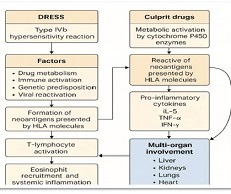
In the intensive care unit (ICU), hyperferritinemia is frequently associated with multisystem inflammatory processes, including sepsis, COVID-19, hemophagocytic lymphohistiocytosis (HLH), and other cytokine storm syndromes. Markedly elevated ferritin levels in such patients may reflect not only iron dysregulation but also macrophage activation and the release of pro-inflammatory cytokines.
Ferritin synthesis is upregulated by inflammatory mediators such as IL-1β, IL-6, and TNF-α, which activate hepatocytes and macrophages. Consequently, ferritin serves as a biomarker of systemic inflammation, with high levels correlating with disease severity, organ dysfunction, and mortality risk.
Therefore, monitoring ferritin levels in ICU patients can provide valuable prognostic information, aiding clinicians in assessing disease progression, inflammatory activity, and therapeutic response. Evidence from PubMed-sourced literature supports the role of ferritin as an integrated indicator of systemic inflammation, emphasizing that its interpretation should always be made within the appropriate clinical and laboratory context.
Downloads
Copyright (c) 2025 Georgian Scientists

This work is licensed under a Creative Commons Attribution-NonCommercial-NoDerivatives 4.0 International License.