PECULIARITIES OF PROGNOSTIC INDICATORS OF SYNDROMIC MOLECULES IN SEPSIS AND SEPTIC SHOCK IN CRITICAL CARE PATIENTS

Downloads




Sepsis is a life-threatening condition resulting from a dysregulated immune response to infection, leading to systemic inflammation, tissue injury, and organ dysfunction. Despite significant advances in critical care medicine, sepsis remains a major cause of mortality worldwide. Early recognition and diagnosis are essential for initiating timely and appropriate treatment, which has been shown to significantly improve patient outcomes. Consequently, there is a critical need for reliable biomarkers, or syndrome molecules, that can facilitate the rapid and accurate diagnosis of sepsis, enabling clinicians to initiate targeted interventions at an early stage.
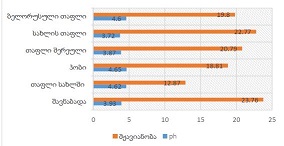
Monitoring various biological parameters in patients with sepsis and septic shock can substantially improve clinical outcomes. The most important prognostic syndrome molecules include lactate, an indicator of tissue hypoperfusion, where elevated levels (>2 mmol/L) are associated with poor prognosis; procalcitonin (PCT), a specific marker of bacterial infection, whose dynamic changes are useful for evaluating the effectiveness of antibiotic therapy; and C-reactive protein (CRP), a nonspecific marker of inflammation, where high concentrations indicate active infection. Interleukin-6 (IL-6) and other cytokines are also closely associated with the severity of the inflammatory response. Additionally, platelet count serves as an important prognostic indicator, as thrombocytopenia frequently correlates with disease severity. A combined analysis of these biomarkers provides greater diagnostic and prognostic accuracy than the assessment of any single parameter alone.
Syndrome molecules such as IL-6, sTREM-1, CRP, and PCT play a pivotal role in the early detection of sepsis by providing objective indicators of the host immune response. These molecular markers not only facilitate the rapid identification of sepsis but also assist in monitoring disease progression, guiding therapeutic decisions, and predicting patient outcomes.
As research continues to advance, the development of multiplex biomarker panels and point-of-care diagnostic platforms holds great promise for improving the early diagnosis and management of sepsis, ultimately enhancing survival rates and reducing the global burden of this life-threatening condition. Timely assessment of prognostic biomarkers enables clinicians to identify high-risk patients, determine the appropriate intensity of treatment, modify antibiotic therapy, monitor organ function, and implement early interventions. In contemporary critical care practice, an individualized approach is preferred—one in which the combination of biomarker dynamics and clinical presentation guides patient management.
Downloads
Copyright (c) 2025 Georgian Scientists

This work is licensed under a Creative Commons Attribution-NonCommercial-NoDerivatives 4.0 International License.