THE SCIENTIFIC TALKS OF MANIFESTATION OF EXOSOMES AND SMALL PARTICLE-BASED THERAPEUTICS: A COMPARATIVE REVIEW OF BIOLOGICAL AND SYNTHETIC NANOCARRIERS


Загрузки




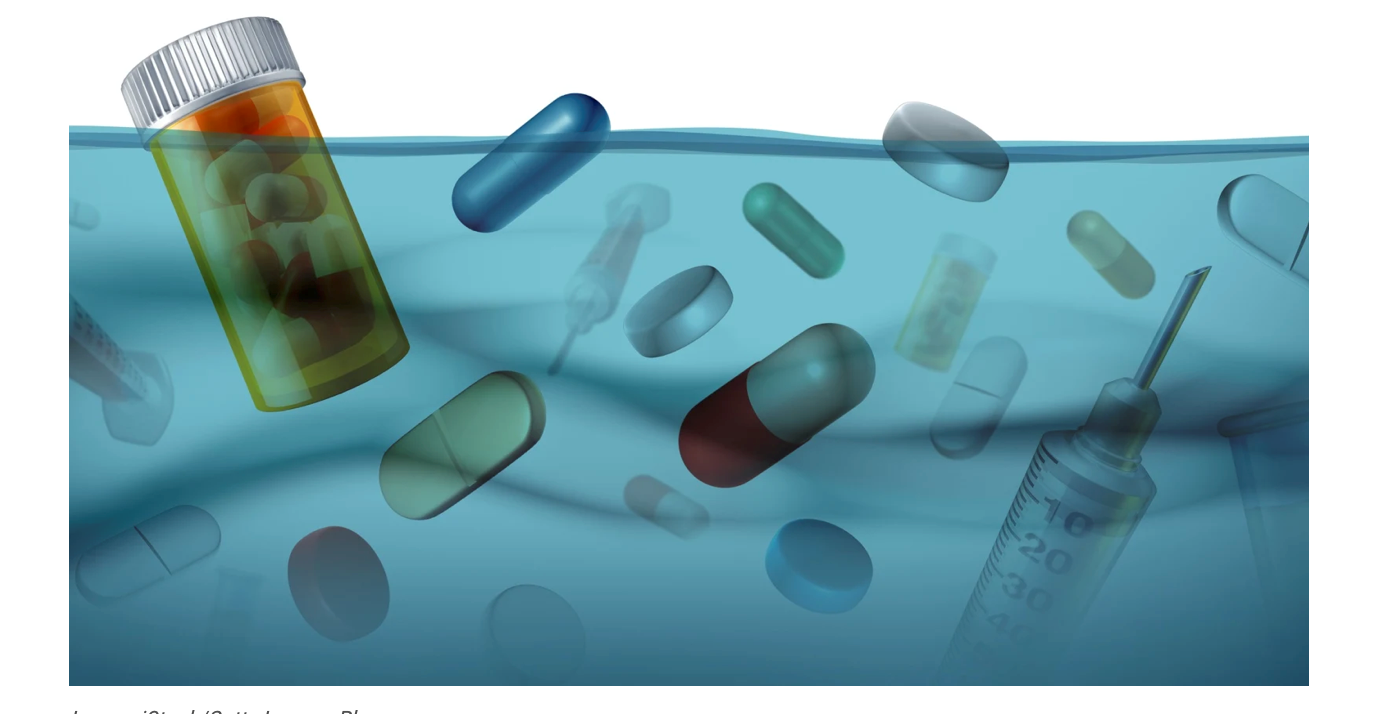
Exosomes and other small particles, such as liposomes, polymeric nanoparticles, and extracellular vesicle (EV)-mimetics, have emerged as central players in the development of next-generation therapeutics. Exosomes are nanoscale vesicles of endosomal origin secreted by nearly all cell types, playing a critical role in cell–cell communication through their unique cargo of nucleic acids, proteins, and lipids. Liposomes, in contrast, are synthetic lipid vesicles that have been successfully used in clinical practice for decades as drug carriers. A comparative assessment of these natural and synthetic nanocarriers highlights differences in biogenesis, composition, immunogenicity, pharmacokinetics, scalability, and translational potential. Exosomes offer the advantage of natural biocompatibility and intrinsic targeting abilities, while liposomes and other engineered nanoparticles provide reproducibility, stability, and regulatory precedent. In this review, we provide an in-depth overview of exosomes, liposomes, and other nanoparticle systems, exploring their structural and functional properties, therapeutic applications across multiple disease domains, and the challenges that must be overcome for clinical translation.
Скачивания
Adler-Moore, J., & Proffitt, R. T. (2002). Amphotericin B lipid preparations: what are the differences? Clinical Microbiology and Infection, 8(Suppl 4), 27–34.
Allen, T. M., & Cullis, P. R. (2013). Liposomal drug delivery systems: From concept to clinical applications. Advanced Drug Delivery Reviews, 65(1), 36–48.
Alvarez-Erviti, L., Seow, Y., Yin, H., Betts, C., Lakhal, S., & Wood, M. J. (2011). Delivery of siRNA to the mouse brain by systemic injection of targeted exosomes. Nature Biotechnology, 29(4), 341–345.
Atkin-Smith, G. K., & Poon, I. K. (2017). Disassembly of the dying: mechanisms and functions. Trends in Cell Biology, 27(2), 151–162.
Bangham, A. D., Standish, M. M., & Watkins, J. C. (1965). Diffusion of univalent ions across the lamellae of swollen phospholipids. Journal of Molecular Biology, 13(1), 238–252.
Barenholz, Y. (2012). Doxil®—The first FDA-approved nano-drug: Lessons learned. Journal of Controlled Release, 160(2), 117–134.
Böing, A. N., van der Pol, E., Grootemaat, A. E., Coumans, F. A., Sturk, A., & Nieuwland, R. (2014). Single-step isolation of extracellular vesicles by size-exclusion chromatography. Journal of Extracellular Vesicles, 3(1), 23430.
Busatto, S., Vilanilam, G., Ticer, T., Lin, W. L., Dickson, D. W., Shapiro, S., ... & Tang, Q. (2018). Tangential flow filtration for highly efficient concentration of extracellular vesicles. Biochemical and Biophysical Research Communications, 493(1), 25–31.
Chen, G., Huang, A. C., Zhang, W., Zhang, G., Wu, M., Xu, W., ... & Guo, W. (2018). Exosomal PD-L1 contributes to immunosuppression and is associated with anti-PD-1 response. Nature, 560(7718), 382–386.
Cocucci, E., & Meldolesi, J. (2015). Ectosomes and exosomes: shedding the confusion between extracellular vesicles. Trends in Cell Biology, 25(6), 364–372.
Colombo, M., Raposo, G., & Théry, C. (2014). Biogenesis, secretion, and intercellular interactions of exosomes and other extracellular vesicles. Annual Review of Cell and Developmental Biology, 30, 255–289.
Costa, P. M., Cardoso, A. L., Mendonça, L. S., Serani, A., Custódio, J. B., & Moreira, J. N. (2020). The emerging role of artificial intelligence in nanomedicine. Advanced Drug Delivery Reviews, 159, 306–317.
Dai, S., Wei, D., Wu, Z., Zhou, X., Wei, X., Huang, H., ... & Guo, Z. (2008). Phase I clinical trial of autologous ascites-derived exosomes combined with GM-CSF for colorectal cancer. Molecular Therapy, 16(4), 782–790.
Danhier, F. (2016). To exploit the tumor microenvironment: Since the EPR effect fails in the clinic, what is the future of nanomedicine? Journal of Controlled Release, 244, 108–121.
Danhier, F., Ansorena, E., Silva, J. M., Coco, R., Le Breton, A., & Préat, V. (2012). PLGA-based nanoparticles: An overview of biomedical applications. Journal of Controlled Release, 161(2), 505–522.
Emmanouilidou, E., Melachroinou, K., Roumeliotis, T., Garbis, S. D., Ntzouni, M., Margaritis, L. H., & Vekrellis, K. (2010). Cell-produced α-synuclein is secreted in a calcium-dependent manner by exosomes and impacts neuronal survival. Journal of Neuroscience, 30(20), 6838–6851.
Elsabahy, M., & Wooley, K. L. (2012). Design of polymeric nanoparticles for biomedical delivery applications. Chemical Society Reviews, 41(7), 2545–2561.
Gabizon, A., Shmeeda, H., & Barenholz, Y. (1999). Pharmacokinetics of pegylated liposomal Doxorubicin: Review of animal and human studies. Clinical Pharmacokinetics, 42(5), 419–436.
Gan, L. M., Lagerström-Fermér, M., Carlsson, L. G., Arfvidsson, C., Egnell, A. C., Rudvik, A., ... & Sylvén, C. (2021). Intradermal delivery of modified mRNA encoding VEGF-A in patients with type 2 diabetes. Nature Communications, 12(1), 871.
Garay, R. P., El-Gewely, R., Armstrong, J. K., Garratty, G., & Richette, P. (2012). Antibodies against polyethylene glycol in healthy subjects and in patients treated with PEG-conjugated agents. Expert Opinion on Drug Delivery, 9(11), 1319–1323.
Gillies, E. R., & Fréchet, J. M. (2005). Dendrimers and dendritic polymers in drug delivery. Drug Discovery Today, 10(1), 35–43.
Gilligan, K. E., & Dwyer, R. M. (2017). Engineering exosomes for cancer therapy. International Journal of Molecular Sciences, 18(6), 1122.
Gupta, A. K., & Gupta, M. (2005). Synthesis and surface engineering of iron oxide nanoparticles for biomedical applications. Biomaterials, 26(18), 3995–4021.
György, B., Szabó, T. G., Pásztói, M., Pál, Z., Misják, P., Aradi, B., ... & Buzás, E. I. (2011). Membrane vesicles, current state-of-the-art: emerging role of extracellular vesicles in immune modulation and therapy. Cellular and Molecular Life Sciences, 68(16), 2667–2688.
Helwa, I., Cai, J., Drewry, M. D., Zimmerman, A., Dinkins, M. B., Khaled, M. L., ... & Liu, Y. (2017). A comparative study of serum exosome isolation using differential ultracentrifugation and three commercial reagents. PLOS ONE, 12(1), e0170628.
Holst, J., Martin, D., Arnold, R., Huergo, C. C., Oster, P., O’Hallahan, J., & Rosenqvist, E. (2009). Properties and clinical performance of vaccines containing outer membrane vesicles from Neisseria meningitidis. Vaccine, 27(Suppl 2), B3–B12.
Hoshino, A., Costa-Silva, B., Shen, T. L., Rodrigues, G., Hashimoto, A., Tesic Mark, M., ... & Lyden, D. (2015). Tumour exosome integrins determine organotropic metastasis. Nature, 527(7578), 329–335.
Copyright (c) 2025 Georgian Scientists

Это произведение доступно по лицензии Creative Commons «Attribution-NonCommercial-NoDerivatives» («Атрибуция — Некоммерческое использование — Без производных произведений») 4.0 Всемирная.