ხელოვნური ინტელექტის სარგებელი უმაღლეს განათლებაში

ჩამოტვირთვები




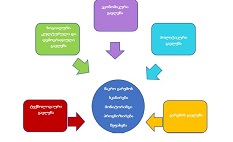
ხელოვნური ინტელექტი (AI) სულ უფრო მეტ როლს თამაშობს საზოგადოებაში, რამაც საბოლოოდ განაპირობა მისი უმაღლეს განათლებაში ინტეგრირება. (AI) წარმოადგენს ტრანსფორმაციულ ძალას, რომელიც გვთავაზობს ძლიერ ინსტრუმენტებს სწავლის, სწავლებისა და კვლევის გასაუმჯობესებლად. ხშირად არსებობს შეშფოთება უმაღლეს განათლებაში ხელოვნური ინტელექტის გამოყენებასთან დაკავშირებით, განსაკუთრებით იმასთან დაკავშირებით, თუ როგორ იყენებენ სტუდენტები ხელოვნურ ინტელექტს დავალებების შესასრულებლად, რამაც შეიძლება გამოიწვიოს აკადემიური მთლიანობის პირდაპირი დარღვევა. თუმცა, ხელოვნური ინტელექტი და უმაღლესი განათლება შეიძლება იყოს ძლიერი კომბინაცია, ოპტიმალურად გამოყენების შემთხვევაში, რაც ზრდის სტუდენტების მიერ მიღებულ განათლებას.
ხელოვნური ინტელექტის ტრანსფორმაციული გავლენა უმაღლეს განათლებაში ვრცელდება აუდიტორიის მიღმა. ის აუმჯობესებს ადმინისტრაციულ ეფექტურობას, ათავისუფლებს დროს პროფესორისთვის სტუდენტების უკეთ მხარდაჭერისთვის. (AI) ასევე შეიძლება გამოყენებულ იქნას განათლებაში რეპეტიტორობის სერვისების მეშვეობით, რომლებიც სტუდენტებს მყისიერ უკუკავშირს და ხელმძღვანელობას აწვდიან, რაც კიდევ უფრო პერსონალიზებს მათ სასწავლო გამოცდილებას.
ნაშრომი წარმოაჩენს ხელოვნური ინტელექტის ტექნოლოგიების გავლენას სტუდენტების სასწავლო პროცესებსა და აკადემიურ მოსწრებაზე, მის დანერგვასთან დაკავშირებულ გამოწვევებს და ხაზს უსვამს უნივერსიტეტების აკადემიური პერსონალის მიერ უმაღლეს განათლებაში ხელოვნური ინტელექტის გამოყენების შესახებ დაუყოვნებელ და სიღრმისეული კვლევის საჭიროებას.
Downloads
Pantskhava E, & Jishkariani M. (2026). THE IMPACT OF ARAB INVESTMENTS ON GEORGIA’S ENERGY SECTOR: ENER-GY AND SOCIO-ECONOMIC ASPECTS. Norwegian Journal of Development of the International Science, 176, 77–79. https://doi.org/10.5281/zenodo.19050764
Jishkariani M. (2021). Prerequisites for Hydro Power Plant Design. Energy #2(98) the thematic issue ‘’Modern Problems of Energy and Ways of Their Solution” 1 part. Pp.167-171. Retrieved from: https://www.researchgate.net/publication/352855182_Prerequisites_for_Hydro_Power_Plant_Design
Pantskhava, E., & Jishkariani, M. (2024). Green hydrogen - the key to a sustainable energy future: (socio-economic benefits). GEORGIAN SCIENTISTS, 6(2).; 345-354. https://doi.org/10.52340/gs.2024.06.02.36
Jishkariani, M., & Pantskhava, E. (2024). The Importance of Sustainable Development in the Country’s Economy. Proceedings of VI International Scientific and Practical Conference "Science and Society: Modern Trends in a Changing World, 143–150.
Fanskhava, E. Jishkariani, M. & Chogovadze, B. (2024). Current Biofuel Production Strategies, Thermal Applications Advances and Opportunities. Georgian Scientists, 6(3), 27–35. https://doi.org/10.52340/gs.2024.06.03.04;
Pantskhava, E., Jishkariani, M. (2025). Decarbonization and Its Aspects in the Energy Sector. Conference ,,European Congress of Scientific Discovery’’, 3-5 March, Madrid, Spain. P.117-123.
Pantskhava, E., & Jishkariani, M. (2025). International relations and sustainable energy development. GEORGIAN SCIENTISTS, 7(1), 408–416. https://doi.org/10.52340/gs.2025.07.01.37
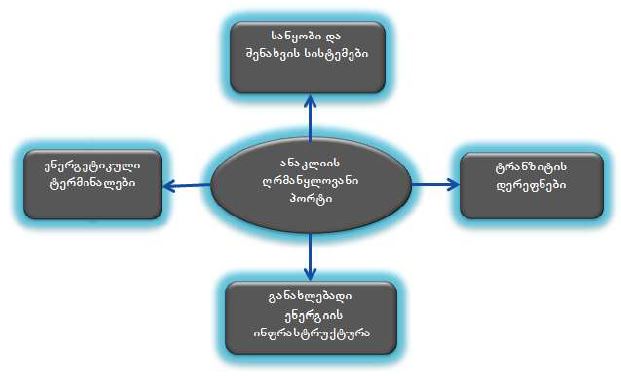
Pantskhava, E., & Jishkariani, M. (2025). Anaklia Port as an Energy Hub: Strategic and Technological Analysis. Georgian Scientists,(7)2, 255-263. https://doi.org/10.52340/gs.2025.07.02.24;
Pantskhava, E., & Jishkariani, M. (2025). Energy Crisis (Positive Effects of the Introduction of Information and Communication Technologies). Business Engineering #1-2, 67-70.
Jishkariani, M. (2019). Electricity Tariffs in Georgia. Warsaw, Poland: World Science 9(49), Vol.1. 20 - 22. https://doi:10.31435/rsglobal_ws/30092019/6697;
Jishkariani, M., Dvalishvili, N., & Kurakhchishvili, L. (2020). Evaluation of Calorific of Municipal Solid Waste (MSW). Sustainable Waste Management: Policies and Case Studies. Springer, Singapore. 263-265. https://doi.org/10.1007/978-981-13-7071-7_23;
Jishkariani, M. (2021). Criteria for Estimating Greenhouse Gas Emissions from Transport. Work of GTU 3(521). 59-68. https://doi.org/10.36073/1512-0996-2021-3-59-68;
Jishkariani, M., Ghosh, S.K., & Didbaridze, K. (2021). Energy and Economic Indicators Influencing Circular Economy in Georgia. Circular Economy: Recent Trends in Global Perspective. Springer, Singapore. 331-358. https://doi.org/10.1007/978-981-16-0913-8_11;
Hasan Ziaul, Mohammad Hassan r., & Jishkariani Maka. (2022). Machine Learning and Data Mining Methods for Cyber Security: A Survey. Mesopotamian journal of Cybersecurity, Vol.2022, 47-56. https://doi.org/10.58496/MJCS/2022/006;
Pitskhelauri M., & Jishkariani, M. (2023). Energy Management Systems (Enms) Reforms of Georgia. Journal of Energy Engineering and Thermodynamics (JEET), 3(01), 38-45. https://doi.org/10.55529/jeet.31.38.45; ;
Pitskhelauri, M., & Jishkariani, M. (2023). Application of Graphic Neuro-Fuzzy Designer in Energy Management. International Journal of Innovative Research in Science, Engineering and Technology (IJIRSET), 12(1), 1–6. https://doi.org/10.15680/IJIRSET.2023.1201001
Jishkariani M., Pitskhelauri M. (2022). Renewable Resources Role in the Transition to a Circular Economy Model. 10th International Scientific-Practical Conference, 23-25 March, 2022, Chicago, USA .
Jishkariani M., Pitskhelauri M. (2022). Different Types of Energy Company’s Role in Georgian Power Engineering. Latin American International Conference.Villahermosa, Tabasco, Mexico, 4-6 October. Pp. 269-275.
Jishkariani M., Pitskhelauri M. (2022). Multi-Factor Assessment of the Motivation, Complexity and Benefits of Implementing an Energy Management System. Collection of Academic Works of Georgian Technical University #3(525). Pp. 105-116. https://doi.org/10.36073/1512-0996-2022-3-105-116.
Jishkariani, M. & Jishkariani, T. (2023). Energy Efficiency - The New Reality of Energy. Georgian Engineering News, 2(98), 21-24.
Jishkariani, M. (2025). Features of Energy Load Graphs in Georgia. Retrieved from ResearchGate: https://www.researchgate.net/publication/390629803_Features_of_Energy_Load_Graphs_in_Georgia;
Jishkariani M. (2020). Safety Rules for Power Engineering Companies. Retrieved from https://www.researchgate.net/publication/342233298_Safety_Rules_for_Power_Engineering_Companies;
Jishkariani M. (2020). Failure Mode and Effect Analysis in Energy Companies. Retrieved from https://www.researchgate.net/publication/341914208_Failure_Mode_and_Effect_Analysis_in_Energy_Companies;
Jishkariani M. (2020). Fault Tree Analysis (FTA) For Energy Enterprises. Retrieved from https://www.researchgate.net/publication/341494947_Fault_Tree_Analysis_FTA_For_Energy_Enterprises;
Jishkariani M. (2020). Risk Management and Losses Calculation in Energy Enterprises. Retrieved from https://www.researchgate.net/publication/341130738_Risk_Management_and_Losses_Calculation_in_Energy_Enterprises;
Jishkariani M. (2020). Load Measurement Forms and Reliability of Power Supply Systems. Retrieved from https://www.researchgate.net/publication/340234067_Load_Measurement_Forms_and_Reliability_Of_Power_Supply_Systems;
Jishkariani, M. (2024). Assessment of Cyber Security Risks in Electrical Engineering System of Georgia. Mesopotamian Journal of Civil Engineering. 54-59. https://doi.org/10.58496/MJCE/2024/008.
Jishkariani, M. (2024). Herfindahl-Hirschman Index (HHI) of Georgia's Wholesale Electricity Market. Proceedings of IV International Scientific and Practical Conference. Barcelona, Spain 22-24 April 2024. P.146-154. Retrieved from: https://www.researchgate.net/publication/380005874_Herfindahl-Hirschman_Index_HHI_of_Georgia%27s_Wholesale_Electricity_Market.
Pantskhava, E., & Jishkariani, M. (2026). Innovative Technologies and Their Impact on Energy Transformation. Proceedings of the 12th International Scientific Conference “Reviews of Modern Science,” 20–24. https://doi.org/10.5281/zenodo.18654401
Maka Jishkariani. (2026b, March 18). Comparative Analysis of High Voltage Direct Current Transmission Systems According to Economic Criteria. Retrieved from https://www.researchgate.net/publication/402699677_Comparative_Analysis_of_High_Voltage_Direct_Current_Transmission_Systems_According_to_Economic_Criteria/citations
Pantskhava, E. (2025). Artificial Intelligence in the Energy Industry. GEORGIAN SCIENTISTS, 7(2), 18–26. https://doi.org/10.52340/gs.2025.07.02.02
საავტორო უფლებები (c) 2026 ქართველი მეცნიერები

ეს ნამუშევარი ლიცენზირებულია Creative Commons Attribution-NonCommercial-NoDerivatives 4.0 საერთაშორისო ლიცენზიით .