MODERN ASPECTS OF SHOCK RECOGNITION AND MANAGEMENT

Downloads




Shock is a life-threatening condition characterized by inadequate tissue perfusion leading to cellular dysfunction and organ failure. Effective management requires timely recognition and a comprehensive, multidisciplinary approach. Modern strategies combine classical therapeutic protocols with innovative technologies and precision medicine principles.
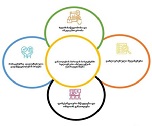
Fluid resuscitation remains the cornerstone of shock management. Balanced crystalloids are preferred for restoring intravascular volume and optimizing tissue oxygenation. When adequate fluid replacement fails to stabilize hemodynamics, vasopressors are administered to maintain mean arterial pressure and ensure vital organ perfusion. In severe refractory cases, mechanical circulatory support such as extracorporeal membrane oxygenation (ECMO) provides temporary stabilization until recovery of cardiac or pulmonary function.
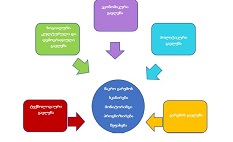
Continuous hemodynamic and metabolic monitoring—through parameters such as central venous pressure, arterial pressure, and oxygen saturation—facilitates early detection of deterioration and guides therapeutic adjustments. The integrated team-based approach involving intensivists, surgeons, anesthesiologists, and other specialists ensures coordinated decision-making and rapid intervention.
Personalized medicine has become increasingly important, allowing therapy to be tailored to patient-specific factors such as age, comorbidities, and response to treatment. Furthermore, post-shock psychological support and rehabilitation significantly contribute to long-term recovery and quality of life.
In conclusion, modern shock management emphasizes rapid diagnosis, goal-directed resuscitation, and interdisciplinary collaboration supported by technological innovation. These advancements substantially improve survival rates and functional outcomes in critically ill patients.
Downloads
Copyright (c) 2025 Georgian Scientists

This work is licensed under a Creative Commons Attribution-NonCommercial-NoDerivatives 4.0 International License.