
ემოციის ამოცნობა ელექტროენცეფალოგრაფიული სიგნალებიდან ხელოვნური ინტელექტის გამოყენებით

ჩამოტვირთვები




ეს თეზისი იკვლევს ხელოვნური ინტელექტის გამოყენებას ემოციების ამოცნობაში, EEG სიგნალების საშუალებით. ფოკუსირებულია ერთ სუბიექტურ მოდელზე - ერთ კონკრეტულ ადამიანზე. ერთი სუბიექტის მიდგომის არჩევა განპირობებულია EEG მონაცემების თანდაყოლილი სუბიექტთაშორისი არსებითი ცვალებადობით. ასეთი ცვალებადობა ხშირად საჭიროებს დიდი რაოდენობით მონაცემთა მოგროვებას, რათა მოვახერხოთ განზოგადება სხვადასხვა ინდივიდებს შორის, რაც ამ ეტაპზე არაპრაქტიკულია მონაცემების შეგროვებასთან დაკავშირებული სირთულეების გათვალისწინებით. ერთი ინდივიდის EEG სიგნალებზე კონცენტრირებით, ეს კვლევა მიზნად ისახავს ძლიერი ხელოვნური ინტელექტის მოდელის შემუშავებას, რომელსაც შეუძლია ზუსტად განსაზღვროს ემოციური მდგომარეობა ერთი კონკრეტული ადამიანისთვის.
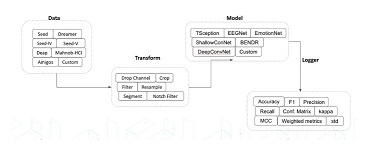
ამ კვლევის მეთოდოლოგია მოიცავს EEG მონაცემების სისტემატიურ შეგროვებას კონტროლირებად ექსპერიმენტულ პირობებში ერთი ინდივიდისთვის, რომელიც შექმნილია განსხვავებული ემოციური რეაქციების გამოსაწვევად. შეგროვებული EEG მონაცემები შემდეგ წინასწარ მუშავდება ხმაურის და არტეფაქტების მოსაშორებლად, რაც უზრუნველყოფს სიგნალების ხარისხსა და საიმედოობას. მანქანური სწავლებისა და ღრმა დასწავლის ალგორითმები გამოიყენება EEG მონაცემებში წარმოდგენილი ემოციური მდგომარეობის კლასიფიკაციისთვის.
Რომ შევაჯამოთ, ეს კვლევა წარმოადგენს ემოციების ამოცნობის ახალ მიდგომას, EEG სიგნალებისა და ხელოვნური ინტელექტის გამოყენებით. აჩვენებს ზუსტი, საიმედო და პერსონალიზებული ემოციების ამოცნობის სისტემების შემუშავების პოტენციალს. ერთ სუბიექტზე დახვეწილი კვლევა კარგი საწყისია მომავალში ბევრ ადამიანზე განზოგადებისთვის და ამ ეტაპზე უკვე შესაძლებელია მისი გამოყენება სხვადასხვა ადამიანის-კომპიუტერის ურთიერთქმედების მოდულებში.
Downloads
”Electroencephalography (EEG): An introductory text and atlas of normal and abnormal findings in adults, children, and infants“ Britton, Jeffrey W and Frey, Lauren C and Hopp, Jennifer L and Korb, Pearce and Koubeissi, Mohamad Z and Lievens, William E and Pestana-Knight, Elia M and St Louis, Erk. (2016).
“Fundamentals of EEG measurement” M. Teplan. (2002).
“Electroencephalography”. Andrea Biasiucci, Benedetta Franceschiello, Micah M. Murray. (2019)
“Feature extraction from EEGs associated with emotions”. T. Musha, Y. Terasaki, H. Haque, and G. Ivamitsky. (1997).
“Towards emotion recognition from electroencephalographic signals”. K. Schaaff and T. Schultz. (2009)
“Toward an EEG-based recognition of music liking using time-frequency analysis”. S. K. Hadjidimitriou and L. J. Hadjileontiadis (2012)
“Emotion recognition from EEG using higher order crossings”. P. C. Petrantonakis and L. J. Hadjileontiadis. (2010)
“Remarks on emotion recognition from multimodal bio-potential signals,”. K. Takahashi. (2004)
“EEG feature extraction for classifying emotions using FCM and FKM,”. M. Murugappan, M. Rizon, S. Yaacob, I. Zunaidi, and D. Hazry. (2007)
“EEG-based emotion recognition using frequency domain features and support vector machines”. X. Wang, D. Nie, and B. Lu. (2011)
საავტორო უფლებები (c) 2025 ქართველი მეცნიერები

ეს ნამუშევარი ლიცენზირებულია Creative Commons Attribution-NonCommercial-NoDerivatives 4.0 საერთაშორისო ლიცენზიით .