Why Georgia Struggles to Attract High-Spending Tourists: An Empirical Analysis of Market Readiness and Structural Barriers


Downloads




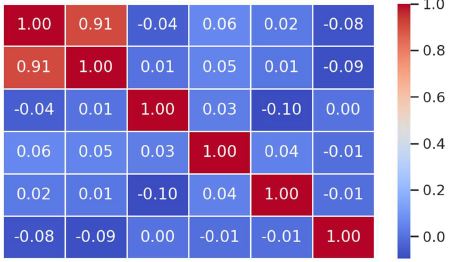
Georgia offers growing opportunities for tourism development, but attracting high-spending tourists remains a significant challenge. The paper examines the barriers in the tourism sector that limit the interest of high-spending tourists and are related to human capital problems, as well as infrastructure, advertising, and financial factors. As part of the quantitative research, an analysis was conducted of 79 tourism companies, who were rated on a scale of 1 to 5 for various challenges. Tests (t-test, ANOVA, correlation, logistic model) were used to assess the intensity of the challenges and their impact on competitiveness. The results showed that the scarcity of human resources and low professionalism (especially in the high-spending segment) remain one of the main barriers. Access to finance is perceived as relatively less critical, but still does not represent a significant challenge for ensuring the sustainability of tourism. The paper identifies the necessary strategic changes, including human capital development, value-based marketing, and the integration of technological innovations (AR/VR) as a prerequisite for the development of sustainable tourism.
The paper includes a comparative statistical analysis with international benchmarks, such as Spain, Croatia, Portugal and Singapore - countries where the high-spending or hybrid tourism sector is one of the leading directions of the economy. The comparison was made based on indicators from the information of the following organizations: World Tourism Organization (UNWTO), OECD and WTTC, which show that these countries invest in human capital development, technological innovations (AR/VR experiences, digital marketing) and value-oriented business models. In the case of Georgia, a similar approach can become a key factor in competitiveness and sustainable tourism development.
Downloads
Disegna, M., & Osti, L. (2016). Tourists' expenditure behavior: The influence of satisfaction and the dependence of spending categories. Tourism Economics, 22(2), 247–262. https://doi.org/10.5367/te.2014.0410
Garakanidze, Z., Gegeshidze, E., & Maghradze, N. (2024). Access to Financial Resources for the Tourism Sector Across the European Countries. Journal Economics, 11-12(2024), 55. https://doi.org/10.36962/ecs106/11-12/2024-55
Gegeshidze, E. (2014) Tourism Industry effects on the Economic Growth and Development in Georgia; კონფერენციის კრებული, მე-5 საერთაშორისო სამეცნიერო პრაქტიკული კონფერენცია ტურიზმში. https://orcid.org/0000-0003-0592-079X
GeoStat. (2024). Inbound Tourism Statistics of Georgia 2024. Tbilisi: National Statistics Office of Georgia. https://www.geostat.ge/en/modules/categories/176/inbound-tourism-statistics (ბოლოს ნანახია: 10 ოქტომბერი, 2025)
GNTA. (2024). Tourism Performance Report 2023–2024. Georgian National Tourism Administration. https://gnta.ge/statistics/
Kulendran, N., & Dwyer, L. (2009). Measuring the return from Australian tourism marketing expenditure. Journal of Travel Research, 47(3), 275–284. https://doi.org/10.1177/0047287508322786
Ministry of Tourism and Sport of the Republic of Croatia. (2022). Croatia Sustainable Tourism Development Strategy until 2030. Zagreb. https://prigoda.hr/en/2022/11/07/usvojena-strategija-razvoja-odrzivog-turizma-do-2030-godine/ (ბოლოს ნანახია: 10 ოქტომბერი, 2025)
OECD. (2023). Tourism Trends and Policies 2023. OECD Publishing. https://www.oecd.org/en/publications/serials/oecd-tourism-trends-and-policies_g1ghbe02.html (ბოლოს ნანახია: 15 ოქტომბერი, 2025)
OECD. (2024). OECD Tourism Trends and Policies 2024: Policy Highlights. https://www.oecd.org/en/publications/serials/oecd-tourism-trends-and-policies_g1ghbe02.html (ბოლოს ნანახია 10 სექტემბერი, 2025)
Ritchie, J. R. B., & Crouch, G. I. (2003). The Competitive Destination: A Sustainable Tourism Perspective. CABI Publishing. https://www.cabi.org/bookshop/book/9780851996646/
Tourism Authority of Thailand (TAT). (2023). Thailand High Value, Low Volume Strategy: Corporate Plan 2023–2027. Bangkok. https://api.tat.or.th/upload/live/about_tat/9501/Executive_summary_TAT_Corporate_plan_2023-2027.pdf
UNWTO. (2024). World Tourism Barometer, Volume 22, Issue 3. Madrid: United Nations World Tourism Organization. https://pre-webunwto.s3.eu-west-1.amazonaws.com/s3fs-public/2024-09/UNWTO_Barom24_03_Sep_EXCERPT.pdf (ბოლოს ნანახია: 10 ოქტომბერი, 2025)
World Bank. (2023). Georgia Country Economic Memorandum 2023. Washington, DC: The World Bank. https://documents.worldbank.org/en/publication/documents-reports/documentdetail/099404124102311766/p17721407c2fd80a50836e0c97d4f6b8f774f3e9
World Economic Forum. (2024). Travel & Tourism Development Index 2024: Rebuilding for a Sustainable and Inclusive Future. Geneva: World Economic Forum. https://www3.weforum.org/docs/WEF_Travel_and_Tourism_Development_Index_2024.pdf (ბოლოს ნანახია: 10 ოქტომბერი, 2025)
World Travel & Tourism Council (WTTC). (2024). Travel & Tourism Economic Impact 2024: Global Trends. London: World Travel & Tourism Council. https://wttc.org/research/economic-impact
World Travel & Tourism Council. (2025). Tourism and Competitiveness. https://www.worldbank.org/en/topic/competitiveness/brief/tourism-and-competitiveness (ბოლოს ნანახია: 10 სექტემბერი, 2025)
Copyright (c) 2025 Georgian Scientists

This work is licensed under a Creative Commons Attribution-NonCommercial-NoDerivatives 4.0 International License.