Development and Validation of a High Performance Liquid Chromatography-Mass Spectrometric(LCMS/MS) Method for the Determination of Aflatoxin M1 in Milk and Dairy Products

Downloads




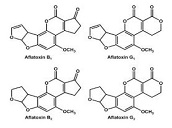
Many types of mold growing on agricultural products produce toxic substances called mycotoxins. Aflatoxin B1 is the most common, highly toxic, and carcinogenic of them. It is produced by fungi of the Aspergillus genus, which grow on stored grains, seeds, and fruits under hot and humid conditions.
Aflatoxin M1 is the hydroxylated form and toxic metabolite of aflatoxin B1. It is formed in the liver of animals that consume feed contaminated with aflatoxin B1.
Aflatoxin M1 accumulates in the animal’s body and is excreted in milk, posing a risk to the health of the consuming species — humans. Aflatoxin M1 is a strong carcinogen and also causes liver and immune system damage. Because of its high toxicity and hepatocarcinogenic potential, the permissible level of aflatoxin M1 in milk and dairy products is strictly regulated in developed countries, including Georgia.
In Georgia, the maximum allowable limit for aflatoxin M1 is 0.05 µg/kg.
The aim of this study was to develop and validate a chromato-mass spectrometric method for the determination of aflatoxin M1. We have developed and validated a chromato-mass spectrometric method for determining aflatoxin M1 in milk and dairy products.
The limit of qualitative detection of aflatoxin M1 was determined as follows: in milk – 0.003 µg/kg, in fermented milk products – 0.0034 µg/kg, in cheese – 0.0038 µg/kg, in cream – 0.0036 µg/kg.
The limit of quantitative determination of aflatoxin M1 was determined as follows: in milk – 0.03 µg/kg, in fermented milk products – 0.034 µg/kg, in cheese – 0.038 µg/kg, in cream – 0.036 µg/kg.
The obtained results indicate that the selected method meets the requirements established for analytical procedures.
Downloads
საქართველოს მთავრობის 2016 წლის 18 იანვრის დადგენილება N22 ტექნიკური რეგლამენტი - ცოცხალ ცხოველებსა და ცხოველური წარმოშობის სურსათში ზოგიერთი ნივთიერებისა (სუბსტანციის) და მათი ნარჩენების მონიტორინგის წესის დამტკიცების შესახებ;
საქართველოს მთავრობის 2023 წლის 5 ივნისის დადგენილება №212, ტექნიკური რეგლამენტი − სასურსათო დანიშნულების ცხოველებში ფარმაკოლოგიურად აქტიური ნივთიერებების (სუბსტანციების) ნარჩენების ანალიზის მეთოდების განხორციელების, ნიმუშის აღებისა და შედეგების ინტერპრეტაციის წესის დამტკიცების შესახებ;
საქართველოს მთავრობის 2023 წლის 13 ივნისის დადგენილება №225, ტექნიკური რეგლამენტი – ცხოველური წარმოშობის სურსათში აკრძალულ/დაუშვებელ ფარმაკოლოგიურად აქტიურ ნივთიერებებთან (სუბსტანციებთან) დაკავშირებით მოქმედებისათვის საცნობარო მაჩვენებლების (RPA) შესახებ დამტკიცების თაობაზე;
Andreia Vaz 1, Ana C Cabral Silva 1, Paula Rodrigues, Armando Venâncio. Detection Methods for Aflatoxin M1 in Dairy Products, Microorganisms, NCBI,2020. https://doi.org/10.1016/j.foodchem.2023.137775
ISO 14501:2021, Milk and milk powder — Determination of aflatoxin M1 content — Clean-up by immunoaffinity chromatography and determination by high-performance liquid chromatography (edition 3, 2021);Volume 436, 15 March 2024
Kamkar A, Yazdankhah S, Nafchi AM, Nejad AS. Aflatoxin M1 in raw cow and buffalo milk in Shush city of Iran. Food Addit Contam Part B Surveill. 2014;7(1):21-24
Kumar P, Mahato DK, Kamle M, Mohanta TK, Kang SG. Aflatoxins: A Global Concern for Food Safety, Human Health and Their Management. Front Microbiol. 2016;7:2170. [
Yaser Almasoud, Manar Alwelaie, Zeyad Aldosari, Sarah Alotaibi, Abdullah Alsayari, Ghada Alzyadi, Mohammed Almutairi, Sulaiman Alajel, Abdullah Al Tamim, Hibah Alharbi ⁎ An assessment of the prevalence of Aflatoxin M1 level in milk and milk powder based on high performance liquid chromatography and dietary risk assessmentToxicol Rep 2024 Nov 9;13:101787. doi: 10.1016/j.toxrep.2024.101787
Viola O. Okechukwu, Oluwasola A. Adelusi, Abidemi P. Kappo, Patrick B. Njobeh, Messai A. Mamo .Aflatoxins: Occurrence, biosynthesis, mechanism of action and effects, conventional/emerging detection techniques. Food Chemistry Volume 436, 15 March 2024, 137775
Copyright (c) 2026 Georgian Scientists

This work is licensed under a Creative Commons Attribution-NonCommercial-NoDerivatives 4.0 International License.