
The Limits of Deliberation: TV Debate on Higher Education System Changes in Georgia

ჩამოტვირთვები




წარმოდგენილი სტატია ეხება სატელევიზიო დებატის დელიბერაციული ხარისხის შესწავლას ტელეკომპანია „იმედის“, როგორც საქართველოს ხელისუფლებასთან აფილირებული ტელემედიის, ეთერში გამართული საჯარო დისკუსიის მაგალითზე. მსჯელობა ეხებოდა განათლების სისტემაში მიმდინარე ფუნდამენტურ ცვლილებებს. კვლევის მიზანია, გააანალიზოს ერთი მხრივ, დებატის, როგორც ანალიტიკური ჟურნალისტიკის ერთ-ერთი ჟანრის, მონაწილეთა მიერ დისკუსიის დღის წესრიგის შექმნა და მეორე მხრივ, ონლაინ აუდიტორიის მიერ ამ დისკურსული ჩარჩოების აღქმა. ყურადღება გამახვილდა იმ ხერხებზე, კერძოდ, მტკიცებულებებისა და ავტორიტეტის გამოყენებაზე, რომელსაც გადაცემის სტუმრები მიმართავდნენ, რათა მოეპოვებინათ დისკურსზე წვდომა.
სტატია ეფუძნება მედიამონოტორინგსა და უმაღლესი განათლების სისტემაში მიმდინარე ცვლილებების შესახებ განსხვავებული მოსაზრებების ტელეგაშუქების შემთხვევის სიღრმისეულ ანალიზს.
აღსანიშნავია, რომ მონიტორინგის საფუძველზე ოთხი სატელევიზიო ანალიტიკური აგდაცემის 127 ეპიზოდიდან, რომელიც „უმაღლესი განათლების ეროვნული კონცეფციის“ წარდგენის დღიდან (2025 წლის 16 ოქტომბერი) 2026 წლის ეროვნული გამოცდების დაწყებამდე (2026 წლის 2 ივლისი) გავიდა ეთერში, განათლების სისტემაში მიმდინარე ცვლილებებს მხოლოდ 4 ეპიზოდი დაეთმო, ხოლო საჯარო განხილვა განსხვავებული მოსაზრებების მქონე სხვადასხვა სტატუსის აქტორებს შორის სატელევიზიო ეთერში მხოლოდ ერთხელ, ტელეკომპანია „იმედის“ ანალიტიკური გადაცემის „ღია ეთერი-დებატები“ 2026 წლის 14 თებერვლის ეპიზოდში, შედგა. შესაბამისად, გაანალიზდა აღნიშნული გადაცემის ტრანსკრიპტი დისკურსის ხარისხის ინდექსის ადაპტირებული ვერსიის, დისკუსიის თემატური დღის წესრიგის, არგუმენტაციისა და დისკურსული ლეგიტიმაციის მიდგომების გამოყენებით. ადრესატების მიერ დისკურსული ჩარჩოების აღქმის თავისებურებათა გამოვლენის მიზნით, ჩატარდა YouTube-ზე გამოქვეყნებული 122 ქართულენოვანი კომენტარის თვისებრივი კონტენტ-ანალიზი.
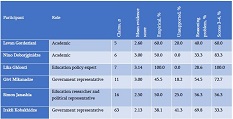
კვლევის შედეგად დადგინდა, რომ გადაცემის სტუმრებს დისკურსზე წვდომა არ ჰქონდათ თანაბრად. შესაბამისად, ასიმეტრია გამოიკვეთა დისკუსიის თემატური დღის წესრიგის შექმნის კუთხითაც. კერძოდ, 19 ძირითადი თემიდან 13 პრემიერ მინისტრმა, ირაკლი კობახიძემ, წამოჭრა. საეთერო დროც სხვა სტუმრებთან შედარებით მეტი დაიკავა და საგულისხმოა, რომ 108 კოდირებული მტკიცებიდან 63 მას ეკუთვნის. თუმცა, რაც შეეხება მტკიცებულებით მსჯელობას, მისი დისკურსი გადაცემის სხვა მონაწილეებთან შედარებით ნაკლებად ეყრდნობოდა ემპირიულ დასაბუთებას. მიუხედავად იმისა, რომ აკადემიური და განათლების პოლიტიკის სფეროს წარმომადგენლებმა ვერ მოიპოვეს კომუნიკაციური დომინირება, რადგან ნაკლებ მტკიცებას გამოთქვამდნენ, მათი მსჯელობა უფრო მეტად იყო გამყარებული თანმიმდევრული ემპირიული მონაცემებითა და პროფესიული ცოდნით.
აღსანიშნავია, რომ გადაცემაში წარმოდგენილი საერთო მტიკიცებების 30.6% დაუსაბუთებელი იყო, ხოლო 60.2% მინიმუმ 1 მსჯელობის ხარვეზს შეიცავდა. ჩვენ მიერ შესწავლილი დებატის დელიბერაციული ხარისხი ასევე შეიზღუდა იმ 31 ეპიზოდით, რომელშიც გამოიკვეთა ირონია, სარკაზმი და პიროვნული და/ან პროფესიული დისკრედიტაცია.
ონლაინ აუდიტორიის 122 კომენტარის თვისებრივმა კონტენტ-ანალიზმა დაადასტურა, რომ კომენტატორები შეტყობინების პასიური მიმღებნი არ ყოფილან. ანალიზის შედეგად გამოიკვეთა დისკურსული ჩარჩოების გამეორება, გაძლიერება, პოლარიზებული ინტერპრეტაციებით გარდაქმნა და რიგ შემთხვევებში, კონკრეტული პოლიტიკური ჩარჩოებით ჩანაცვლება.
ამგვარად, ერთი შემთხვევის, ტელეკომპანია „იმედის“ გადაცემის „ღია ეთერი-დებატები“ 2026 წლის 14 თებერვლის ეპიზოდის, სიღრმისეულმა ანალიზმა აჩვენა, რომ ფორმალური პლურალიზმი ტელეეთერში შინაარსობრივად თანასწორ დელიბერაციულ დისკურსად ვერ გარდაიქმნა. თუმცა, ხაზგასასმელია, რომ მიღებული შედეგები ვერ განზოგადდება, რადგან მხოლოდ ერთი მიზნობრივად შერჩეული ეპიზოდით გამოვლინდა. სამაგიეროდ, აღსანიშნავია, რომ სტატიაში წარმოდგენილი კვლევის შედეგები ფუნდამენტურ საფუძველს ქმნის შემდგომი ფართომასშტაბიანი კვლევისთვის, რათა დადგინდეს, ჩვენ მიერ გამოვლენილი ასიმესტია მხოლოდ ამ კონკრეტული გადაცემის თავისებურებაა თუ ქართული პოლარიზებული მედიასისტემის მახასიათებელი.
Downloads
Becker, G. S. (1964). Human capital: A theoretical and empirical analysis, with special reference to education. Columbia University Press. https://www.nber.org/books-and-chapters/human-capital-theoretical-and-empirical-analysis-special-reference-education-first-edition
Bennett, W. L. (1990). Toward a theory of press-state relations in the United States. Journal of Communication, 40(2), 103–127. https://doi.org/10.1111/j.1460-2466.1990.tb02265.x
Chkhetiani, L. (2025). How polarised are Georgians? CRRC-Georgia. https://crrc.ge/en/blog-how-polarized-are-georgians/
Dee, T. S. (2004). Are there civic returns to education? Journal of Public Economics, 88(9–10), 1697–1720. https://doi.org/10.1016/j.jpubeco.2003.11.002
Dewey, J. (199 [1926]7). Democracy and education: An introduction to the philosophy of education. Project Gutenberg. https://www.gutenberg.org/ebooks/852
Durkheim, É. (1956 [1922]). Education and sociology (S. D. Fox, Trans.). Free Press. https://books.google.ge/books?id=HcG3zQEACAAJ
Fairclough, N. (1992). Discourse and social change. Polity Press.
Fraser, N. (1992). Rethinking the public sphere: A contribution to the critique of actually existing democracy. In C. Calhoun (Ed.), Habermas and the public sphere (pp. 109–142). MIT Press.
Georgian Charter of Journalistic Ethics. (2024a, December 20). Satelevizio akhali ambebis monitoringis angarishi [Television news monitoring report]. https://www.qartia.ge/ka/mediamonitoringi/article/99377
Georgian Charter of Journalistic Ethics. (2024b, December 20). Satelevizio tokshouebis monitoringis angarishi [Television talk-show monitoring report]. https://www.qartia.ge/ka/mediamonitoringi/article/99378
Gerring, J. (2007). Case study research: Principles and practices. Cambridge University Press.
Gersamia, M., Toradze, M., & Bandzeladze, M. (2023). Media environment 2023: Challenges during political polarization and crisis in Georgia. Media and Communication Educational and Research Center “Media Voice.” https://doi.org/10.52340/9789941862014
Gersamia, M., Toradze, M., & Bandzeladze, M. (2024). Trust in media and effects of political polarization in Georgia [Conference abstract]. Environment and Society, 12(12). https://www.es.tsu.ge/index.php/es/article/view/192
Gerstl-Pepin, C. I. (2002). Media (mis)representations of education in the 2000 presidential election. Educational Policy, 16(1), 37–55. https://doi.org/10.1177/0895904802016001003
Gerstl-Pepin, C. I. (2007). Introduction to the special issue on the media, democracy, and the politics of education. Peabody Journal of Education, 82(1), 1–9. https://doi.org/10.1080/01619560709336534
Giddens, A. (2009). Sociology (6th ed.; rev. and updated with P. W. Sutton). Polity.
Government of Georgia. (2025a, January 20). Umaghlesi ganatlebis reformis samtavrobo komisiis shekmnis shesakheb [On the establishment of the Government Commission for Higher Education Reform] (Ordinance No. 103). https://www.gov.ge/files/618_91009_188575_103.pdf
Government of Georgia. (2025b, December 1). Umaghlesi ganatlebis sistemis reformis erovnuli kontseptsiis damtkicebis shesakheb [On approval of the national concept for reform of the higher education system] (Ordinance No. 1994). https://www.gov.ge/files/618_94373_219748_1994.pdf
Habermas, J. (1989 [1962]). The structural transformation of the public sphere: An inquiry into a category of bourgeois society (T. Burger, Trans.). MIT Press.
Habermas, J. (1996 [1992]). Between facts and norms: Contributions to a discourse theory of law and democracy (W. Rehg, Trans.). MIT Press.
Hall, S. (1980). Encoding/decoding. In S. Hall, D. Hobson, A. Lowe, & P. Willis (Eds.), Culture, media, language: Working papers in cultural studies, 1972–79 (pp. 128–138). Hutchinson.
Kincha, S. (2021, July 23). Georgian Dream’s anti-media crusade continues. OC Media. https://oc-media.org/georgian-dreams-anti-media-crusade-continues/
Magin, M., Stark, B., Jandura, O., Udris, L., Riedl, A., Klein, M., Eisenegger, M., Kösters, R., & Hofstetter Furrer, B. (2023). Seeing the whole picture: Towards a multi-perspective approach to news content diversity based on liberal and deliberative models of democracy. Journalism Studies, 24(5), 669–696. https://doi.org/10.1080/1461670X.2023.2178248
McCombs, M. E., & Shaw, D. L. (1972). The agenda-setting function of mass media. Public Opinion Quarterly, 36(2), 176–187. https://doi.org/10.1086/267990
Ministry of Education, Science and Youth of Georgia. (2025, October 16). Umaghlesi ganatlebis reformis kontseptsiis prezentatsia [Presentation of the higher education reform concept]. https://mes.gov.ge/content.php?id=14304&lang=geo
Santos, Í., Carvalho, L. M., & Portugal e Melo, B. (2022). The media’s role in shaping public opinion on education: A thematic and frame analysis of externalisation to world situations in the Portuguese media. Research in Comparative and International Education, 17(1), 29–50. https://doi.org/10.1177/17454999211057753
Schultz, T. W. (1961). Investment in human capital. American Economic Review, 51(1), 1–17. https://www.jstor.org/stable/1818907
Shoemaker, P. J., & Vos, T. P. (2009). Gatekeeping theory. Routledge.
Steenbergen, M. R., Bächtiger, A., Spörndli, M., & Steiner, J. (2003). Measuring political deliberation: A discourse quality index. Comparative European Politics, 1(1), 21–48. https://doi.org/10.1057/palgrave.cep.6110002
Thompson, J. B. (1995). The media and modernity: A social theory of the media. Polity Press.
Toulmin, S. E. (2012). The uses of argument. Cambridge University Press.
Tsuladze, L., & Abzianidze, N. (2025). Polarisation through deviation discourse: Strategic usage of Europeanisation by political and media actors in Georgia. East European Politics. Advance online publication. https://doi.org/10.1080/21599165.2025.2491139
van Leeuwen, T. (2007). Legitimation in discourse and communication. Discourse & Communication, 1(1), 91–112. https://doi.org/10.1177/1750481307071986
საავტორო უფლებები (c) 2026 ქართველი მეცნიერები

ეს ნამუშევარი ლიცენზირებულია Creative Commons Attribution-NonCommercial-NoDerivatives 4.0 საერთაშორისო ლიცენზიით .