
მედიკამენტოზური უსაფრთხოების გაუმჯობესება სტაციონარულ სამედიცინო დაწესებულებში ხელოვნური ინტელექტის გამოყენებით

ჩამოტვირთვები




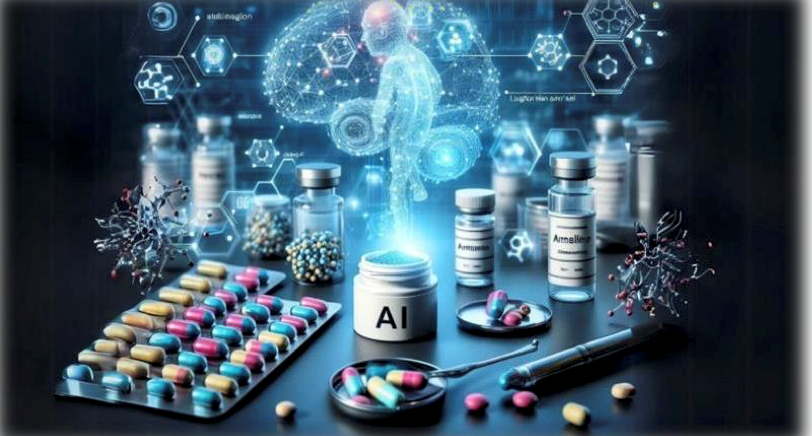
ხელოვნური ინტელექტი (AI) სულ უფრო მეტად იკავებს წამყვან ადგილს მედიკამენტების მართვის პროცესების ტრანსფორმაციაში. მისი ინტეგრაცია მოიცავს არა მხოლოდ მედიკამენტების შესყიდვას, შენახვასა და განაწილებას, არამედ პაციენტზე ორიენტირებულ მკურნალობასა და უსაფრთხოების გაუმჯობესებულ ზომებს. AI-ის გამოყენება მნიშვნელოვნად ზრდის ოპერაციულ ეფექტიანობას და ამცირებს მედიკამენტური შეცდომებისა და არასასურველი რეაქციების რისკს. მისი მეშვეობით შესაძლებელია გასული პერიოდის მონაცემების, სეზონური ტენდენციებისა და პაციენტთა ნაკადების ანალიზი, რაც ხელს უწყობს საჭიროებების ზუსტ პროგნოზირებას, მოთხოვნების ოპტიმიზაციასა და დეფიციტის ან ზედმეტი მარაგის თავიდან აცილებას. AI-ით მხარდაჭერილი ავტომატიზებული განაწილების ,,კაბინეტები“ უზრუნველყოფენ ფარმაცევტული პროდუქტების სწრაფ და ზუსტ დაყოფას ინდივიდუალურ სამკურნალო გეგმებთან შესაბამისობით, რითაც უმჯობესდება მარაგების კონტროლი და მცირდება ადამიანური შეცდომების ალბათობა. ხელოვნურ ინტელექტზე დაფუძნებული კლინიკური გადაწყვეტილების მხარდაჭერის სისტემები ჯანდაცვის პროფესიონალებსა და ფარმაცევტებს აწვდის ინფორმაციას წამლების პოტენციური ურთიერთქმედებების, ალერგიული რეაქციებისა და არასწორი დოზირების შესახებ, რაც განსაკუთრებით მნიშვნელოვანია პოლიფარმაციის დროს. AI-ის კიდევ ერთი მნიშვნელოვანი ფუნქციაა პაციენტთა მედიკამენტური თერაპიისადმი დამყოლობის მონიტორინგი, რაც დროული ჩარევის საშუალებას იძლევა მკურნალობის სქემის დარღვევის შემთხვევებში. ინოვაციური ტექნოლოგიები აქტიურად გამოიყენება ფარმაცევტული ლოგისტიკის სხვადასხვა ეტაპზე, მათ შორის შენახვის პირობების კონტროლის, ტრანსპორტირებისა და მედიკამენტების პარტიების მიკვლევადობის პროცესში, რაც ზრდის მომარაგების ჯაჭვის გამჭვირვალობას და აძლიერებს ხარისხის კონტროლს. AI-ის დანერგვა ჰოსპიტალურ სექტორში მნიშვნელოვნად აუმჯობესებს მედიკამენტების მართვის პროცესებს, ზრდის პაციენტთა უსაფრთხოებას და ოპტიმიზაციას უწევს რესურსების განაწილებას. თუმცა, მისი ეფექტიანი დანერგვისთვის აუცილებელია შესაბამისი ინფრასტრუქტურის მობილიზება, სამედიცინო პერსონალის გადამზადება და ეთიკური სტანდარტების მკაცრი დაცვა.
Downloads
Raza MA, Aziz S, Noreen M, Saeed A, Anjum I, Ahmed M, Raza SM. Artificial Intelligence (AI) in Pharmacy: An Overview of Innovations. Innov Pharm. 2022 Dec 12;13(2):10.24926/iip.v13i2.4839. doi: 10.24926/iip.v13i2.4839. PMID: 36654703; PMCID: PMC9836757.
Belagodu Sridhar, Sathvik, Mohammed Salim Karattuthodi, and Sainul Abideen Parakkal. "Role of artificial intelligence in clinical and hospital pharmacy." Application of Artificial Intelligence in Neurological Disorders. Singapore: Springer Nature Singapore, 2024. 229-259.
Tan Seng-Keong, et al. "Personalized healthcare: A comprehensive approach for symptom diagnosis and hospital recommendations using AI and location services." Journal of Informatics and Web Engineering 3.1 (2024): 117-135.
Chalasani SH, Syed J, Ramesh M, Patil V, Pramod Kumar TM. Artificial intelligence in the field of pharmacy practice: A literature review. Explor Res Clin Soc Pharm. 2023 Oct 21;12:100346. doi: 10.1016/j.rcsop.2023.100346. PMID: 37885437; PMCID: PMC10598710
Al Meslamani, Ahmad Z. "Applications of AI in pharmacy practice: a look at hospital and community settings." Journal of Medical Economics 26.1 (2023): 1081-1084.
Ned Milenkovich, The Rise of AI in Pharmacy Practice Presents Benefits and Challenges. Pharmacy Times. Volume 89. Issue 7. July 24, 2023
Shashiashvili N. (2025). Evidence-Based Pharmacy: A Scientific Approach to Safe and Effective Medication. Georgian Scientists. Vol.7 Issue 2. 27–38. https://doi.org/10.52340/gs.2025.07.02.03
Shashiashvili N. (2025). Artificial Intelligence in Pharmaceutical Services and the Concept of Pharmaco-Intelligence Georgian Scientists. Vol.7 Issue 2. 69–79. https://doi.org/10.52340/gs.2025.07.02.07
Allam H. Prescribing the Future: The Role of Artificial Intelligence in Pharmacy. Information. 2025; 16(2):131. https://doi.org/10.3390/info16020131
Abdelhafeez Ahmed, et al. "Hospital Management Leveraging AI." SciNexuses 1 (2024): 203-239.
Amjad Ayesha, Piotr Kordel, and Gabriela Fernandes. "A review on innovation in healthcare sector (telehealth) through artificial intelligence." Sustainability 15.8 (2023): 6655.
Hugh Logan Ellis, James TH Teo, The influence of AI in medicine, Medicine, Volume 52, Issue 12, 2024, Pages 811-815, ISSN 1357-3039, https://doi.org/10.1016/j.mpmed.2024.09.006.
Hatem Najmaddin AH. "Advancing Pharmacy Practice: The Role of Intelligence-Driven Pharmacy Practice and the Emergence of Pharmacointelligence." Integrated Pharmacy Research and Practice (2024): 139-153.
Choudhury A., & Asan O. (2020). Role of Artificial Intelligence in Patient Safety Outcomes: Systematic Literature Review. JMIR Medical Informatics, 8(7), e18599. https://doi.org/10.2196/18599
AlDhaen F. S. (2025). AI-Powered Transformation of Healthcare: Enhancing Patient Safety Through AI Interventions with the Mediating Role of Operational Efficiency and Moderating Role of Digital Competence—Insights from the Gulf Cooperation Council Region. Healthcare, 13(6), 614. https://doi.org/10.3390/healthcare13060614
Epelde F. (2024). Revolutionizing Patient Safety: The Economic and Clinical Impact of Artificial Intelligence in Hospitals. Hospitals, 1(2), 185–194. https://doi.org/10.3390/hospitals1020015
Tighe P., Mossburg S., & Gale B. (2024). Artificial Intelligence and Patient Safety: Promise and Challenges. PSNet, Agency for Healthcare Research and Quality. https://psnet.ahrq.gov/perspective/artificial-intelligence-and-patient-safety-promise-and-challenges
Graafsma J., Murphy R. M., van de Garde E. M. W., Karapinar-Çarkit F., Derijks H. J., Hoge R. H. L., Klopotowska J. E., & van den Bemt P. M. L. A. (2024). The use of artificial intelligence to optimize medication alerts generated by clinical decision support systems: a scoping review. Journal of the American Medical Informatics Association, 31(6), 1411–1422. https://doi.org/10.1093/jamia/ocae076
Andrew J. (2023). Impact of Artificial Intelligence on Reducing Medication Errors in Pharmacy Settings.
Ratwani R. M., Bates D. W., & Classen D. C. (2024). Patient Safety and Artificial Intelligence in Clinical Care. JAMA Health Forum, 5(2), e235514. https://doi.org/10.1001/jamahealthforum.2023.5514
Wong C. Y., & Wong C. M. (2025). Forecasting the impact of artificial intelligence on clinical pharmacy practice. Journal of the American College of Clinical Pharmacy, 8(1), 23-30. https://doi.org/10.1002/jac5.70004
საავტორო უფლებები (c) 2025 ქართველი მეცნიერები

ეს ნამუშევარი ლიცენზირებულია Creative Commons Attribution-NonCommercial-NoDerivatives 4.0 საერთაშორისო ლიცენზიით .